Private Label Makeup Remover Development: Formulas, Packaging and MOQ
A makeup remover can lift foundation effectively and still disappoint in daily use. It may require too much product, leave an unwanted film, or dispense poorly from its bottle. For a brand developing a private label makeup remover, these details belong in the development brief alongside cleansing performance and ingredient preferences.
The task is to turn a product idea into a formula and packaging combination that performs as intended, has appropriate safety support, and can be manufactured consistently at a workable cost. Decisions about the target customer, testing and selling market need to be made early enough to influence development.
Choose the format around the customer’s routine
Before requesting samples, describe what the customer will remove and how they will use the product. Everyday foundation, long-wear lipstick and waterproof mascara create different evaluation needs. Specify whether the product is intended for the face, the eye and lip area, or a more limited use, and whether the customer will wipe it away or rinse it off.
A useful brief also identifies the selling market, pack size, target retail price and expected first-order quantity. Reference products help when the feedback is specific: a preferred texture, less residue after rinsing, or a more controlled dispensing dose. Asking for an exact copy provides less direction than explaining which characteristics matter and which should change.
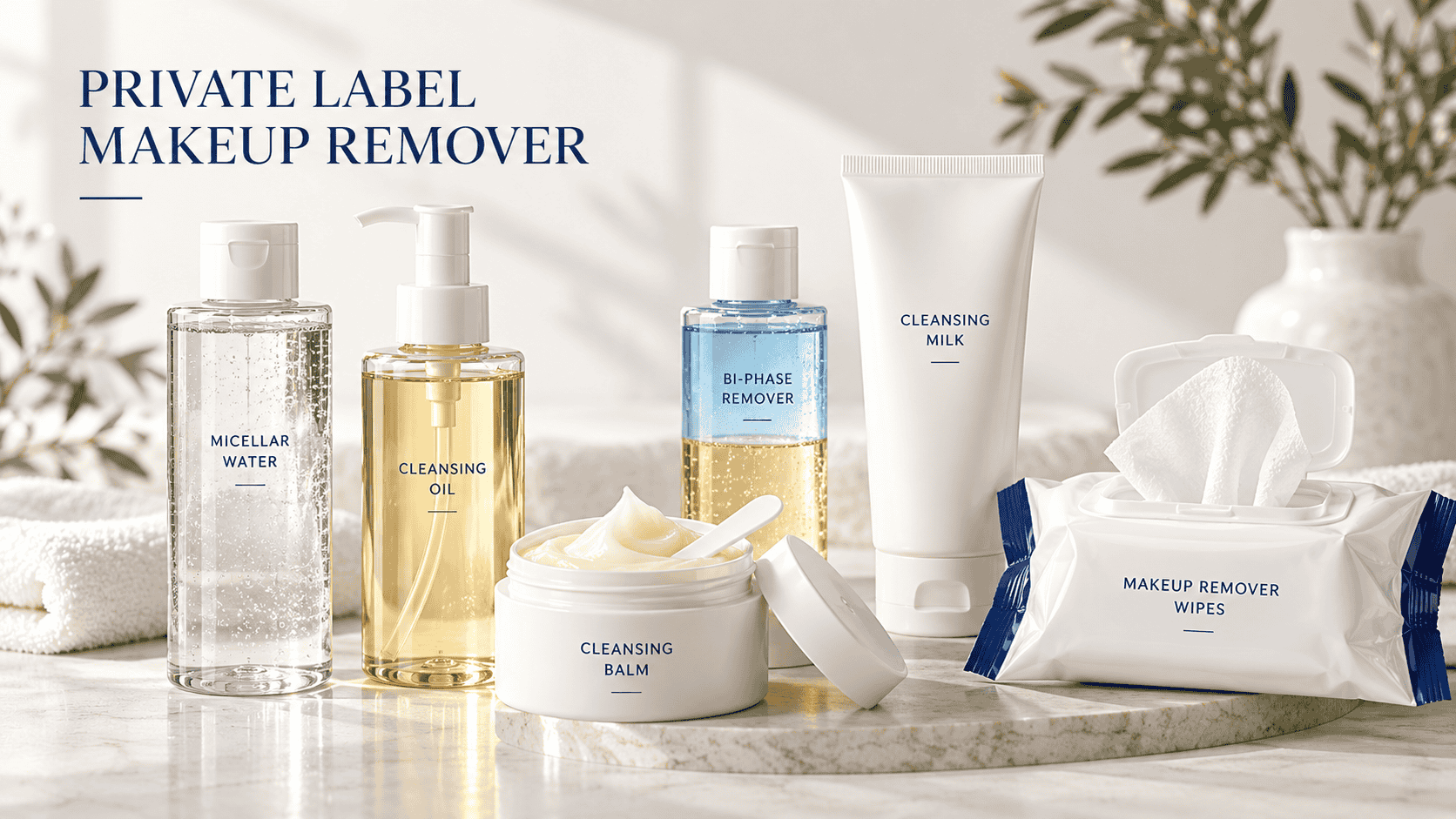
Micellar water
Micellar water offers a lightweight, pad-applied format for a daily cleansing range. A brand can build its positioning around convenient makeup removal, a fresh after-feel or a fragrance-free formulation, provided the finished product supports the intended claims. Its ability to remove long-wear or waterproof makeup should be evaluated against the products customers actually use rather than assumed from the product name.
Packaging options include flip-top bottles and compatible dispensing pumps. The outlet and dose should wet the pad in a controlled way without excessive dripping. When discussing MOQ, confirm the bottle size, available stock components and decoration method. A branded label on an available bottle and a custom-colored bottle can involve different purchasing commitments, even when both contain the same formula.
Cleansing oil
Cleansing oil is a development option for brands targeting long-wear makeup removal through a massage-and-rinse routine. The oil blend, spreading properties and emulsifying system determine the experience. Useful differentiation can come from comfortable massage slip, controlled rinsing and the desired after-feel; these characteristics need to be demonstrated by the finished formula.
A pump bottle is a practical packaging direction to evaluate. Confirm that the pump, seals and bottle work with the actual oil blend, and review leakage during storage and transport. For MOQ and cost discussions, identify the bulk formulation batch, pump specification and bottle decoration separately. A particular oil blend or custom pump should be quoted according to its sourcing requirements.
Cleansing balm
A cleansing balm can support a product concept centered on a solid-to-oil texture and a more tactile cleansing routine. The development work should establish how easily it is picked up, how it spreads and how it rinses. Makeup-removal strength is a separate performance question: a balm format alone does not establish suitability for heavy or waterproof makeup.
A wide-mouth jar, potentially with a spatula, is a packaging direction to assess. Tube or stick versions need a formula and dispensing system developed for that format. MOQ discussions should account for the chosen jar or dispensing mechanism, decoration and filling requirements. Storage stability and the production process should be reviewed before committing to a particular pack.
Bi-phase makeup remover
A bi-phase remover combines separate phases that are mixed before use. It can be developed around an eye-and-lip makeup-removal concept, with waterproof makeup removal included as a test objective where relevant. The intended application area and supporting safety evaluation need to be specified from the outset.
A transparent bottle can display the layered appearance, while a controlled outlet helps the user apply the mixed product to a pad. The package and directions should support effective shaking and consistent dispensing. For MOQ, clarify the formula batch, filling process and packaging purchase quantities. Phase colors, fragrance variants and custom bottle finishes should be listed separately in the development brief so their effects on the quotation are visible.
Cleansing milk or cream
Cleansing milk and cream offer an emulsion-based alternative for brands seeking a milky or richer cleansing texture. Positioning can focus on spreadability, a cushioned application and the desired after-feel. The product directions must establish whether it is removed by rinsing or wiping, and that procedure should be used when evaluating makeup removal and residue.
A fluid milk may suit a compatible pump bottle, while a thicker cream may call for a tube or jar. The formula’s flow properties and dispensing performance should guide selection. MOQ will depend on the agreed formulation batch and packaging configuration, including tube printing or bottle decoration. A cream format should not automatically be presented as a lower-cost or lower-MOQ alternative to a cleansing oil or balm.
Makeup remover wipes
Makeup remover wipes combine the cleansing liquid and wiping material in one format, creating a clear convenience proposition for travel or use away from home. Development should consider the cloth size, softness, lotion loading and makeup-removal performance together. A liquid formula that performs well on one cloth should still be evaluated with the material selected for production.
Packaging options include resealable multi-wipe pouches and individually sealed sachets. The closure and seal need to help maintain the wipes’ moisture during the intended use period; resealing is also part of the consumer instructions for commercial wipe products. MOQ should be stated in finished packs, with the number of wipes per pack specified. Confirm the cloth specification, pouch film, printing, closure and any carton requirements, since these purchasing quantities may differ from the filling quantity.
Use that brief to assess potential manufacturing partners and confirm which formats they can produce. Ask how they would develop and evaluate the proposed format, what formulation and packaging records they can provide, and which activities are included in their quotation. An existing formula may be a suitable starting point; a modified base or a new formulation may be justified by more specific requirements. Confirm the scope in writing, since suppliers may use “private label,” “OEM” and “ODM” differently.
Develop and evaluate the finished formula
Evaluate each sample against the written brief and intended directions, from dispensing to makeup removal and the final rinse or wipe. Record observations against a clearly identified formula version. This allows the brand and formulator to see whether a revision has improved the target characteristic and how it has affected the rest of the experience.
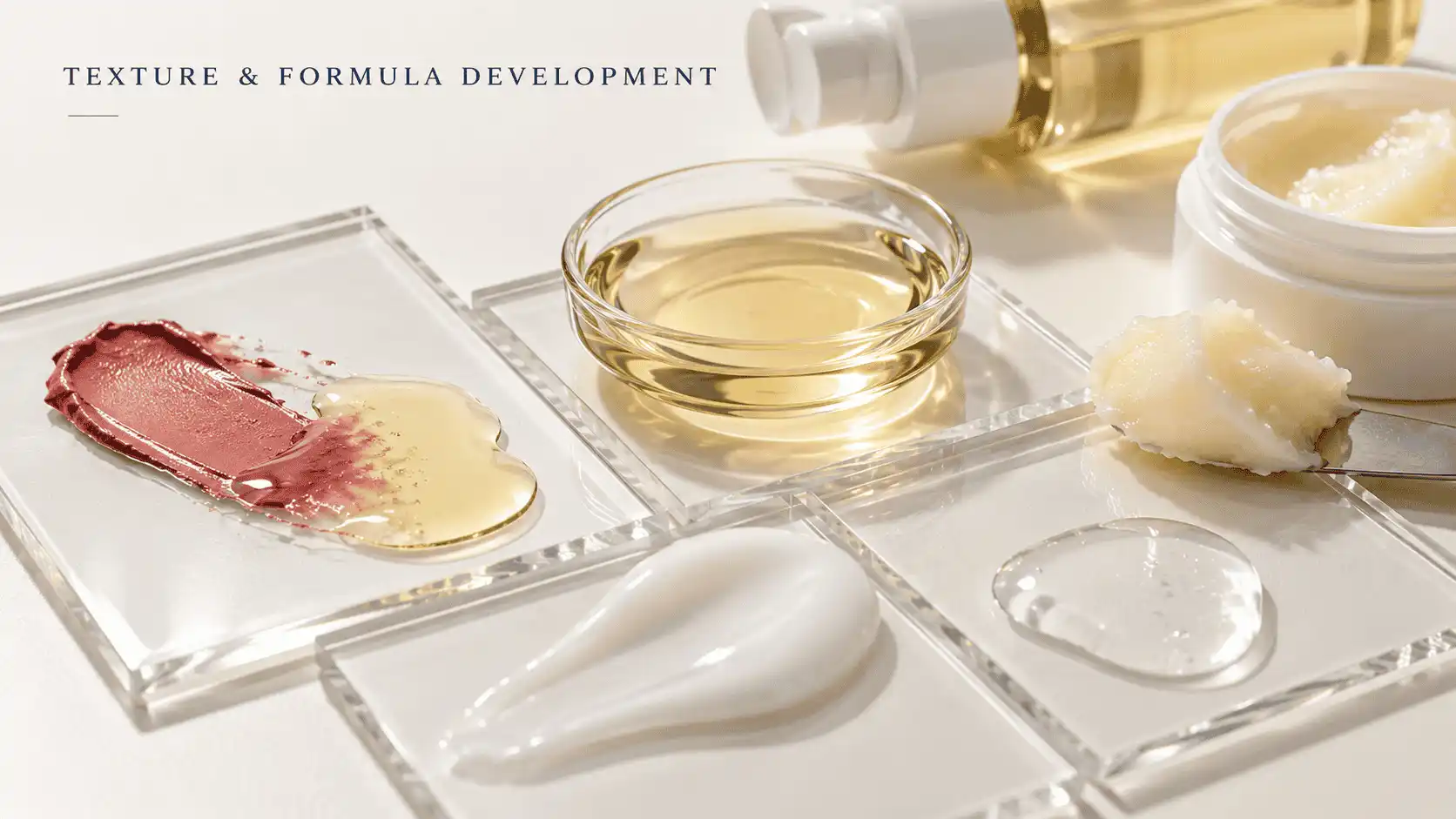
Supporting ingredients should have a clear purpose. Glycerin or panthenol may be considered within an appropriate formulation, but including a familiar skincare ingredient does not establish a moisturizing or soothing benefit for the finished remover. The same principle applies to botanical extracts. The EU’s cosmetic claims criteria require adequate evidence when ingredient properties are attributed to the finished product.
Agree on a sample comparison method before approving claims. Use defined makeup products and consistent application amounts, setting times and remover doses. For pad-based comparisons, keep the pad type and wiping procedure consistent as well. Such development comparisons can help identify differences between prototypes; they do not, by themselves, establish eye-area safety, suitability for sensitive skin or a clinical performance claim.
Feedback should describe the result precisely. “Leaves visible mascara residue under the agreed test conditions” gives the formulator a clearer task than “not strong enough.” Likewise, observations about rinsing, fragrance and skin feel should be separated so that a change intended to solve one problem can be checked for its effect on the rest of the product.
Confirm packaging, safety and market requirements
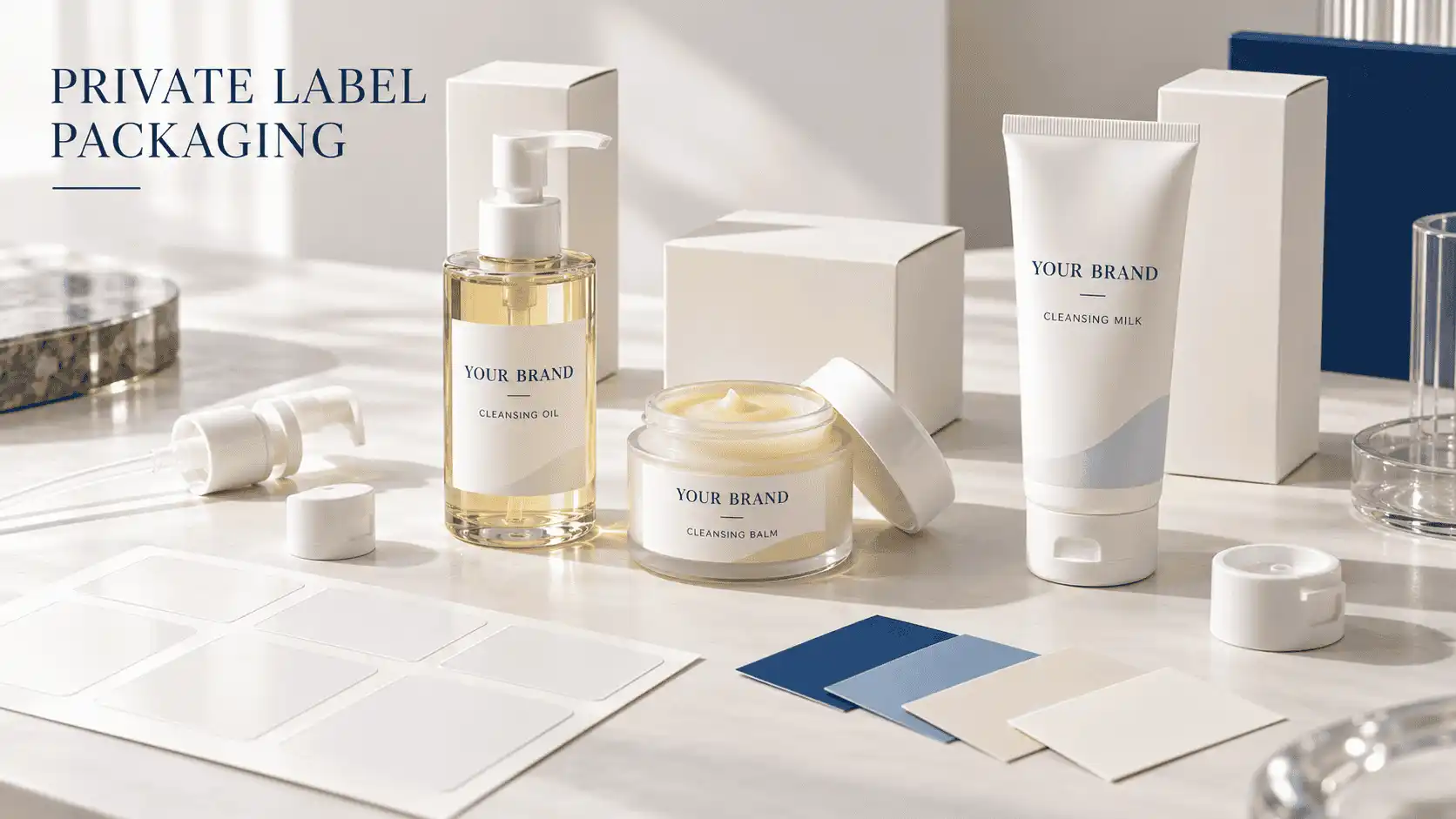
Select the intended container while the formula is being developed. Test the proposed bottle, pump or closure with the actual product rather than approving it from appearance alone. Dispensing control, leakage and the condition of the components after storage all affect whether the package is suitable. A product that looks acceptable in a laboratory container may behave differently in its commercial pack.
The evaluation plan should address stability, microbiological quality and compatibility with the intended packaging, as appropriate to the product. Stability work examines relevant changes under defined storage conditions; preservation efficacy testing, where applicable, evaluates the protection provided by the preservation system. A satisfactory microbiological result at one point in time answers a different question from a preservation challenge test. The European Commission’s safety-report guidelines address stability and the marketed container; FDA guidance also distinguishes microbiological quality controls from evaluating preservation.
The testing package should be determined for the final formula, intended use and packaging. An anhydrous product should not be assigned an exemption from testing solely because it contains no added water; the relevant risk assessment needs to support the approach. Products intended for use around the eyes also warrant particular attention in the safety assessment.
Plan the regulatory work for the destination market before printing labels. For EU sales, this includes an EU-established Responsible Person, a Cosmetic Product Safety Report, a Product Information File and notification through the Cosmetic Products Notification Portal, alongside applicable formulation and labeling requirements. For U.S. sales, review MoCRA obligations concerning safety substantiation and serious adverse-event reporting, and determine whether facility registration and product listing are required for the business and product. These are market-specific responsibilities that should be assigned clearly between the parties.
Label and website claims should match the evidence available for the finished product. Wording such as “removes waterproof mascara” or “suitable for sensitive skin” needs a relevant basis. Decide which claims matter commercially while planning the evaluation, so that the work carried out can support the language the brand intends to use.
Agree on MOQ, cost and production conditions
A useful quotation makes its assumptions visible. It should identify the formula version, fill quantity, packaging components, decoration, order quantity and agreed testing or documentation work. Development charges, tooling and freight should be identified where relevant. Comparing quotations on this basis helps a buyer understand whether a price difference reflects the formula, the packaging or a different scope of service.
MOQ should be discussed alongside the customization scope. Qiaomei publishes the following general cooperation ranges on its facial-cleanser page; they provide a starting point for a budget discussion, rather than a confirmed MOQ for every makeup-remover format.
| Cooperation route | Published reference range | What needs to be confirmed |
|---|---|---|
| Existing formula with standard packaging and brand labeling | 300–1,000 pcs | Formula availability, stock packaging and permitted customization |
| Semi-custom development | 1,000–3,000 pcs | Formula changes, packaging requirements and additional evaluation |
| Full OEM/ODM development | 3,000–10,000+ pcs | Development scope, materials, packaging and production configuration |
For the proposed makeup remover, obtain written confirmation of the finished-product MOQ and the purchasing quantities for each packaging component. Clarify whether the quantity applies per formula, fragrance, capacity or packaging design, and whether a mixed order can count toward it. A total order spread across several SKUs should not be assumed to meet a per-SKU minimum.
For wipes, specify both finished packs and wipes per pack. For bottled, jarred or tubed products, identify the fill size as well as the unit count. If a packaging supplier requires more components than the first filling run will use, agree on the cost, ownership, storage and later use of those remaining components before placing the order.

Before authorizing production, approve the reference sample and written specifications, including the packaging and artwork. Record the agreed acceptance criteria and how changes will be handled. A later change to the fragrance, formulation or container may require further technical review, so the approved version should be traceable through the order.
Request a schedule that distinguishes development, packaging procurement, evaluation, manufacturing and transport. A sample dispatch date is different from a production-ready date, and manufacturing lead time may begin only after specified approvals and materials are in place. The supplier should explain those starting conditions rather than offer an overall date without its assumptions.
After launch, collect feedback that can guide the next production decision: dispensing problems, leakage, residue, discomfort reports and reasons for returns. Review this information before changing the formula or adding another format. It provides a practical basis for deciding what the product needs next.
To discuss a private label makeup remover project with Guangzhou Qiaomei Cosmetics, share your intended market, preferred format, reference product, packaging direction and estimated order quantity. These details provide the starting point for a focused discussion of development scope, evaluation and quotation.
LET’S PLAN YOUR PRODUCT
Discuss your makeup remover project
Tell us about your brand, target market and preferred product format. Include your packaging ideas and estimated quantity so we can discuss the development scope and prepare a relevant quotation.