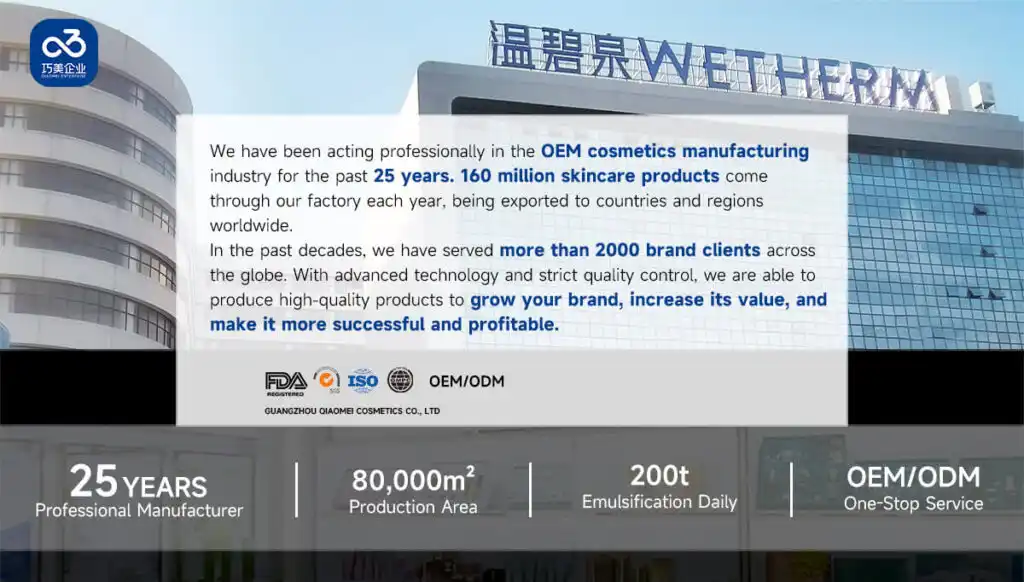
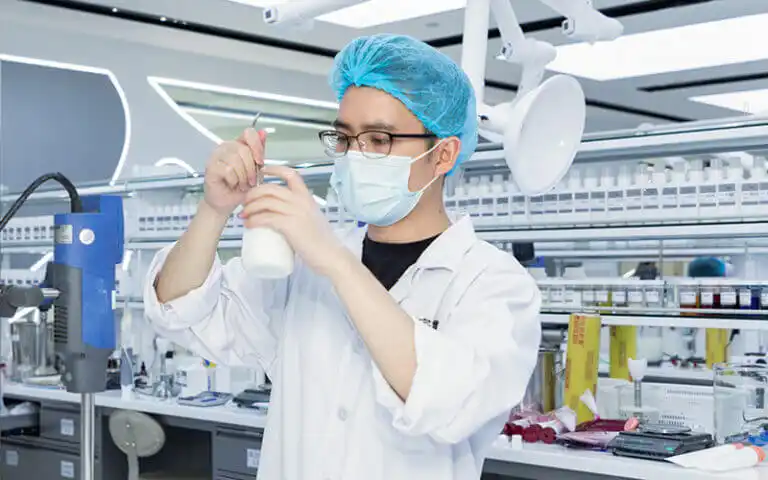
I’m QiaoMei, with over 25+ years of expertise in OEM, ODM and private label cosmetics, focusing on crafting high-quality HairCare Skincare BodyCare and makeup products with unparalleled insights into formulation, quality and market trends
Introduction
Are you looking for a makeup manufacturer that meets Southeast Asian Muslim ethical and business standards? Finding a partner to produce certified halal products is critical to your success.
According to Mordor Intelligence, the halal cosmetics market size is expected to reach US$91.5 billion in 2024 and increase to US$131.23 billion by 2029, showing a compound annual growth rate of 7.48%.
As a manager of a makeup manufacturer, I thoroughly research and evaluate many manufacturers on the market to ensure that they meet strict halal standards.
Whether you are stocking a new salon or changing manufacturer product lines, this list of the top 7 halal makeup manufacturers in the halal cosmetics industry will profoundly impact your business.
In this article, you will learn about the sources of halal cosmetics, the certification process, and which makeup manufacturers can help you produce halal cosmetics to ensure your business remains competitive.
The Origin of HALAL
HALAL is an Arabic word translated as “permitted, legal” and translated into Chinese as “halal.” It can be extended to “food, medicine, cosmetics, and their additives that meet the living habits and needs of Muslims.”
What is HALAL Certification
As the name suggests, HALAL Certification is a religious certification for food and cosmetics based on Islamic teachings. This certification aims to ensure that products comply with halal dietary laws and safeguard the consumption needs of Muslims. The certification process includes reviewing raw materials, ingredients, auxiliary materials, and production links to confirm that the product suits Muslims
Halal cosmetics are beauty products that meet Muslims’ living habits and needs. Their main features are:
- Ingredient requirements: no pork or its derivatives shall be contained, and the alcohol content shall not exceed 0.5% (some standards require no alcohol).
- Animal ingredients, such as gelatin or glycerin, must be certified “Halal” to ensure the source meets halal standards.
- Plant ingredients are usually not restricted; the key lies in the certification of animal ingredients.
- HALAL certification ensures products meet religious requirements and guarantees consumers’ safety and trust.
Top7 Halal Certifying Authority
1、JAKIM
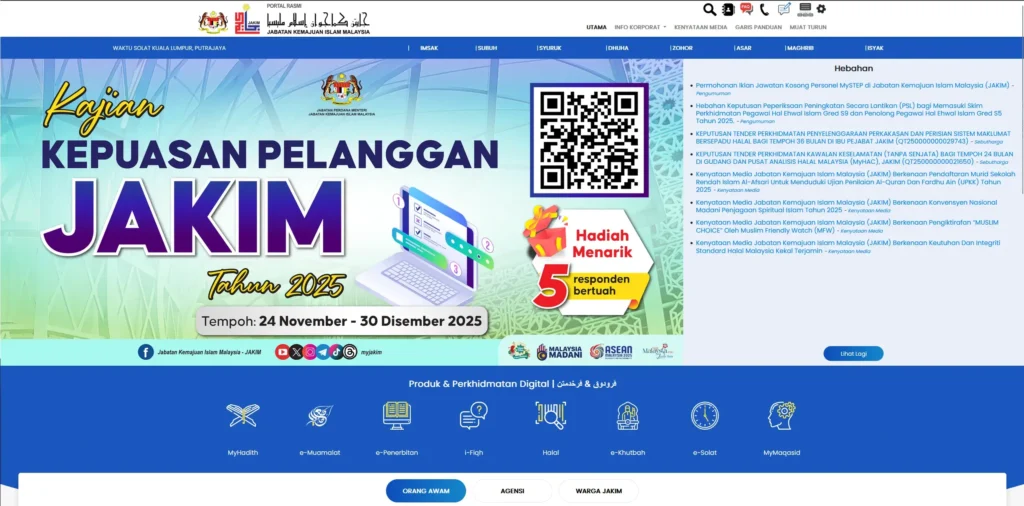
- Status: The official authoritative body in Malaysia, whose certification is widely accepted globally, particularly within ASEAN regions, and is regarded as the gold standard.
- Recognition: Extremely high. Many countries, especially those in Southeast Asia, recognize or have mutual recognition agreements with JAKIM. Products with JAKIM certification gain easier access to the entire Southeast Asian market.
2、MUIS
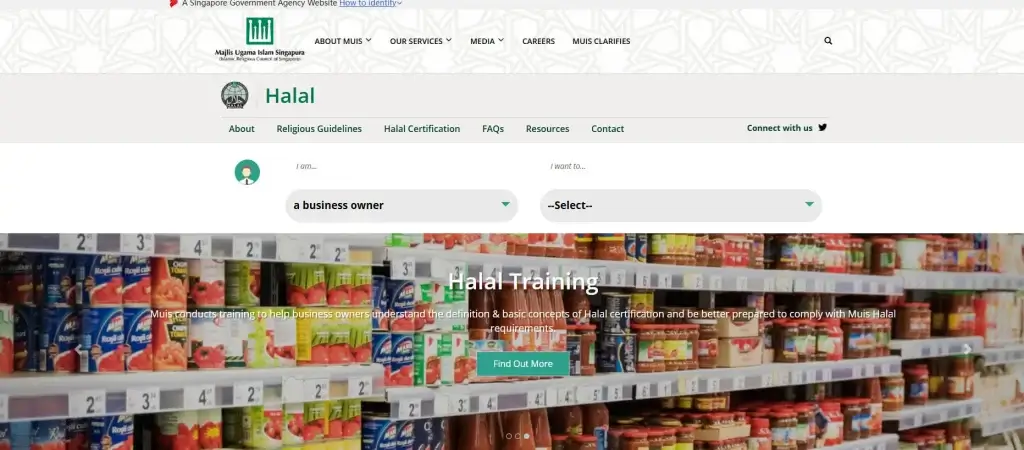
- Status: The official Halal certification body in Singapore, renowned for its strict standards and efficiency.
- Recognition: Holds a high reputation internationally, particularly in markets that prioritize quality and credibility. MUIS certification serves as a crucial gateway for products entering Singapore and its surrounding high-end markets.
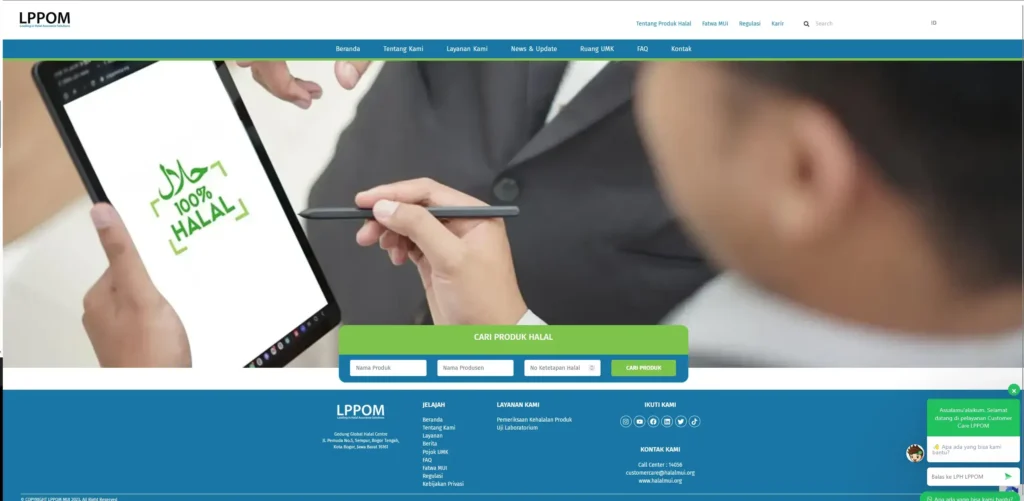
3、LPPOM MUI
- Status: The Halal certification body under the Indonesian Ulema Council (MUI), the largest Muslim organization in Indonesia. As Indonesia has the world’s largest Muslim population, LPPOM MUI certification carries significant market value.
- Recognition: Holds absolute authority within Indonesia and its surrounding regions. While its standards are exceptionally stringent, obtaining LPPOM MUI certification effectively unlocks access to the vast Indonesian market.
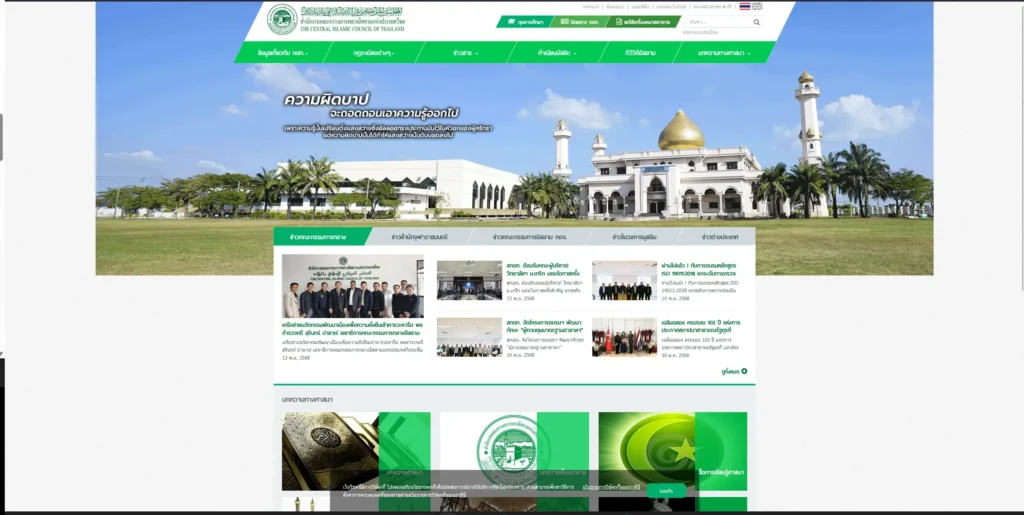
4、The Central Islamic Committee of Thailand
- Status: The primary Halal certification body officially recognized by the Thai government.
- Recognition: Critical for market access in Thailand and when engaging with Thai supply chains. This certification is essential for enterprises manufacturing in Thailand or partnering with Thai manufacturers.
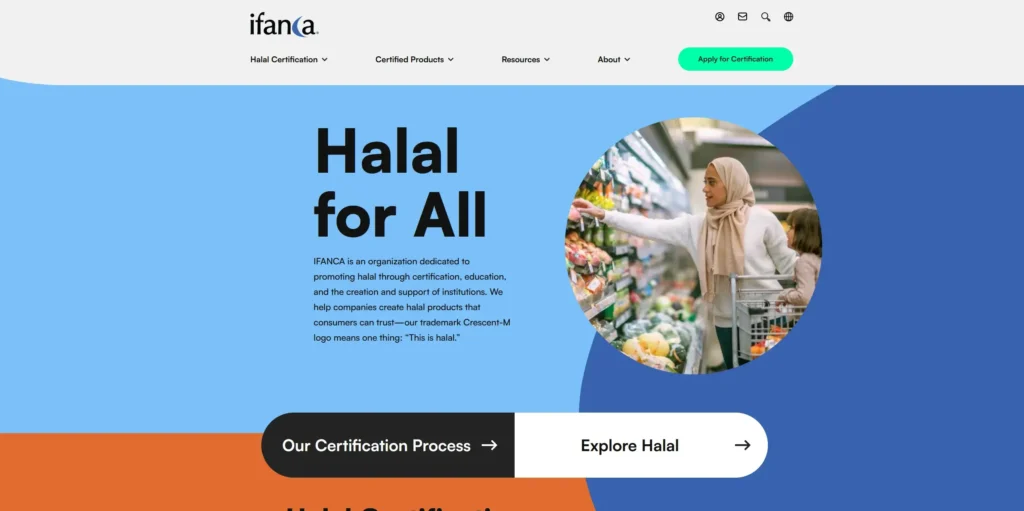
5、IFANCA
- Status: A large international Halal certification body headquartered in the United States, with operations spanning multiple countries worldwide.
- Recognition: Recognized by many Islamic countries and markets (such as the Middle East and Southeast Asia), with particularly significant influence in the North American market.
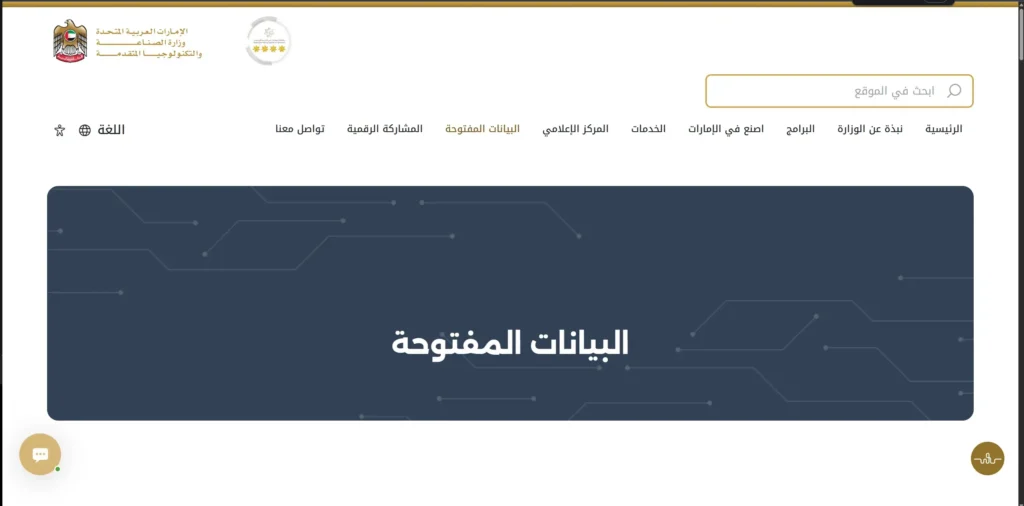
6、ESMA
- Status: The national standards body of the United Arab Emirates, responsible for Halal certification (UAE Halal Mark) in the country.
- Recognition: As a core member of the Gulf Cooperation Council (GCC) states, its certification is crucial for products entering affluent Middle Eastern markets such as the UAE and Saudi Arabia.
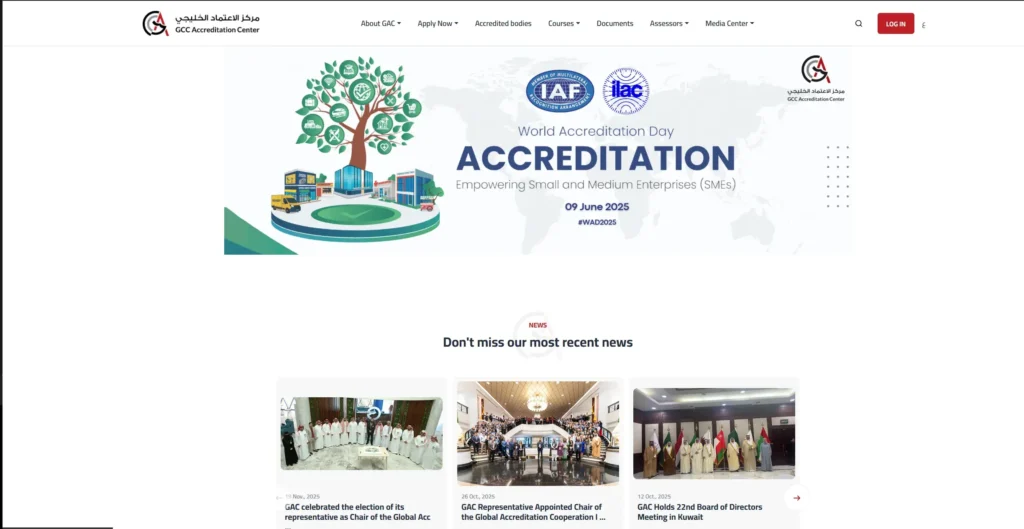
7、GAC
- Status: A regional accreditation body serving the entire Gulf Cooperation Council (GCC), established to unify Halal standards across GCC member states.
- Recognition: Certification under GAC facilitates compliance with import requirements for the entire Middle Eastern Gulf region.
What is the Process of Halal Certification
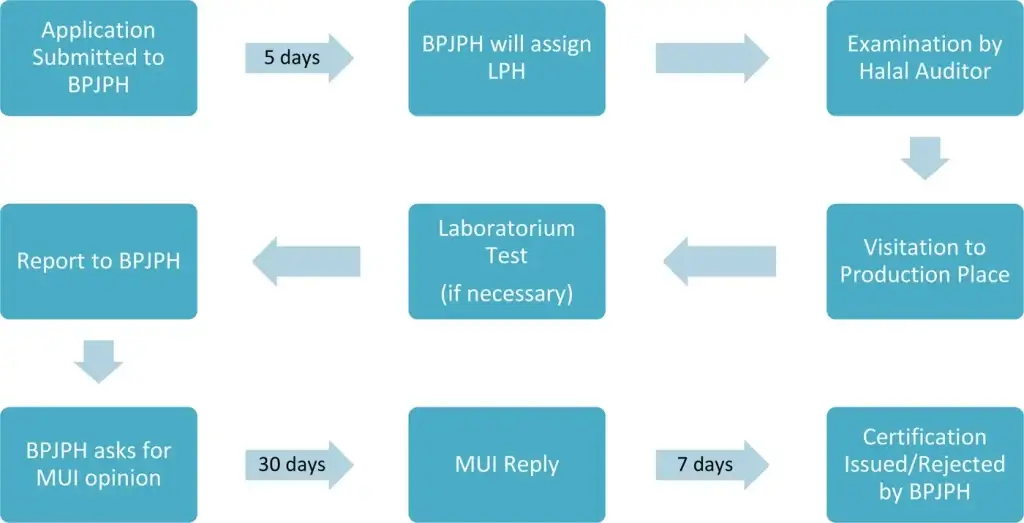
Taking MUI, the world’s leading halal certification agency, as an example, the Indonesian government stipulates that food on the market must also be approved by the Indonesian Muslim Congress (MUI), the highest Islamic organization in Indonesia, and only food that has obtained “Halal” certification can be eaten.
LP.POM-MUIhas more than 60 factory inspectors and experts in various fields, such as food technology, industrial technology, chemistry, biochemistry, poultry, veterinary medicine, and medicine. Regarding laboratory analysis, MUI cooperates with IPB (Bogor Agricultural University) to use the university’s advanced laboratory equipment.
Certification cycle: about two months
Certificate validity: two years
Certificate validity: universal
Certification Procedure
- 1) The enterprise understands the basic knowledge of halal certification and fills out the application form;
- 2) MUI Indonesia headquarters reviews the application materials;
- 3) Under the guidance of professional consultants, the enterprise prepares a halal system guarantee manual, signs an agreement, and prepays 60% of the total cost;
- 4) MUI experts in the relevant product field will inspect the factory on site and collect samples for laboratory analysis; at that time, two Indonesian Muslim prosecutors and a Chinese Muslim translator will accompany the factory for inspection.
- 5) The auditor will send the samples to the IPB (Bogor Agricultural University) laboratory for relevant component analysis;
- 6) The auditor will submit the audit report to the MUI Fatawa Committee, and the monthly Fatawa meeting will announce whether the company has passed the halal certification;
- 7) MUI headquarters will issue an electronic certificate;
- 8) MUI headquarters will mail the paper certificate;
- 9) MUI headquarters will conduct random inspections;
- 10) Review in the third year.
Inspection Content
- a. Whether the ingredients on the application form are consistent with the ingredients in the warehouse;
- b. Inspect the condition of the equipment, whether the equipment is clean, and whether the production process complies with Halal regulations;
- c. If other ingredients are used to produce non-Halal products, they must not contaminate them.
Top 3 Halal Cosmetic Manufacturers
1 QiaoMei Cosmetic
🏢 Company Overview
Established time: 2002
Country & City: Guangzhou, China
You might be wondering why QiaoMei Cosmetic tops our list of cosmetics contract manufacturers in China? That’s a fair question—especially when there are so many strong players in this competitive space.
Here’s why we believe QiaoMei Cosmetic deserves this spot: QiaoMei is an OEM ODM cosmetics contract manufacturer in China, specializing in the research, development, and production of a wide range of personal care products—including skincare, body care, hair care, mother & baby care, and men’s grooming. With over 25+ years of manufacturing experience, QiaoMei combines large-scale GMP production with R&D capabilities that rival some of the best in the industry. What makes them stand out isn’t just the scale—they’re trusted by global retailers like H&M, IKEA, Tesco, and S.C. Johnson.
QiaoMei is a recognized innovator in the industry, with award-winning sunscreen technology certified by IFSCC. It focuses on advanced formulation technologies in whitening, sun protection, anti-hair loss, and eczema care, offering clients expert solutions backed by cutting-edge science and manufacturing excellence.
✅ Certifications & Compliance
Qiao Mei places a strong emphasis on quality assurance and regulatory compliance. Their manufacturing facilities adhere to stringent international standards, holding certifications such as:
ISO 22716
GMPC
U.S. FDA Registration
Sedex Membership
Halal Certifications
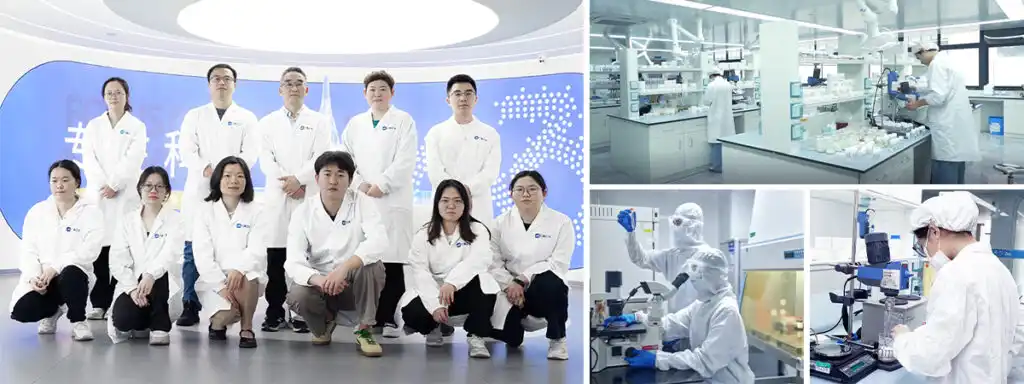
Additionally, QiaoMei Cosmetic has successfully passed audits and assessments by globally recognized third-party organizations, including SGS, ITS, B.V. Their commitment to quality is further demonstrated by their Class 80,000 dust-free clean workshops and specialized laboratories for microbiology, physicochemical analysis, packaging material testing, and microbial challenge testing.
📦 Minimum Order Quantity (MOQ)
Recognizing their clients’ varied needs, QiaoMei provides flexible options for minimum order quantities. While the typical MOQ ranges from 2,000 to 10,000 units per SKU, the company provides options to accommodate startups and smaller businesses:
Split Orders: Clients can order 10,000 units and opt to receive 5,000 units initially, with the remaining 5,000 units delivered within two months.
Dual SKUs: Clients have the option to order 3 separate SKUs with identical packaging but distinct labels, effectively lowering the minimum order quantity to 2,000 units for each product.
These flexible solutions demonstrate QiaoMei’ commitment to supporting businesses at various stages of growth.
🧴 Product Range
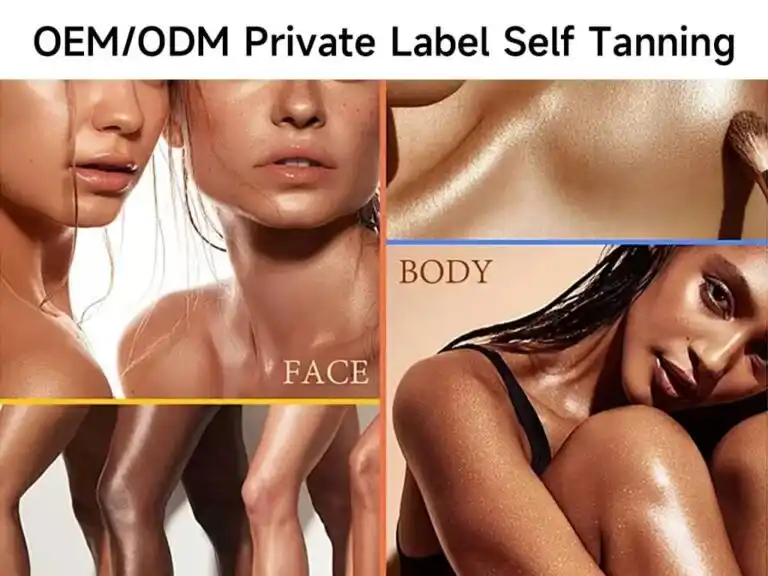
Skincare, Body care, Lip care, Hair care, Mom & baby care, Men care, Sunscreen & Tanning,Pet Care.
🌐 Market Presence
With over two decades of experience, QiaoMei has established partnerships with numerous global brands, including Disney, H&M, IKEA, Tesco, and S.C. Johnson. Their products are exported to over 30 countries, supporting more than 300 brands and reaching millions of consumers across the globe. The company’s commitment to innovation, quality, and customer satisfaction establishes them as a reliable partner among cosmetics contract manufacturers in China.

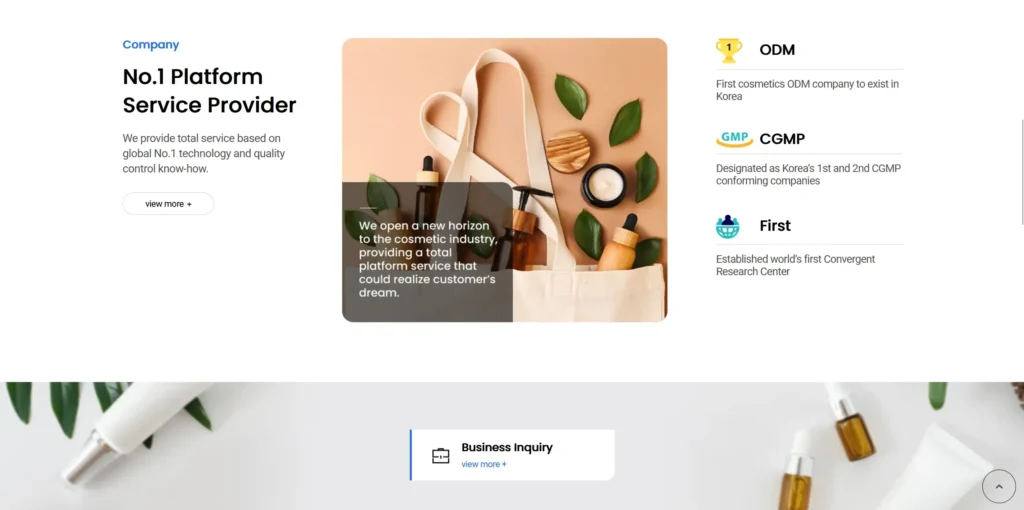
2、Kolmar China Cosmetic
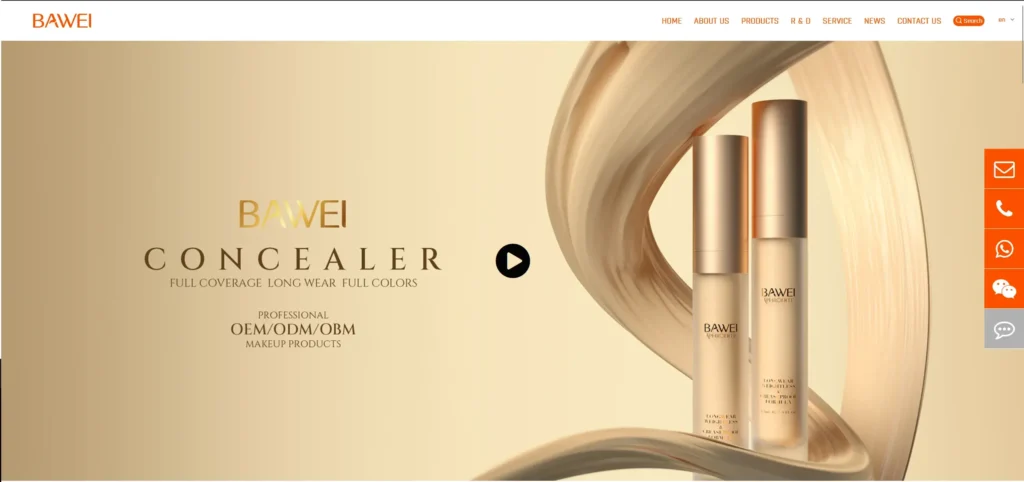
3、BaWei Cosmetic
5Reasons to Choose QM Cosmetic as Your Private Label/OEM Partner
2. Quality Management
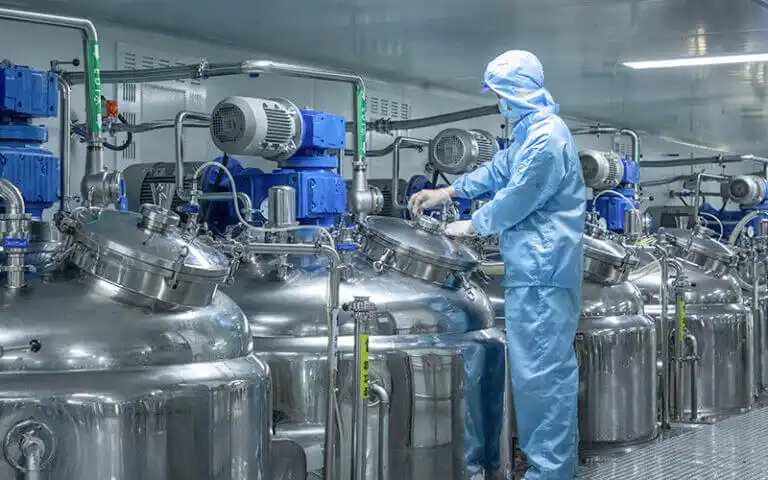
All of our products are manufactured in a 100,000-grade clean room built to international GMPC standards. We have a team of experienced and professional and strict staff to carry out daily inspection of the items that have been produced.
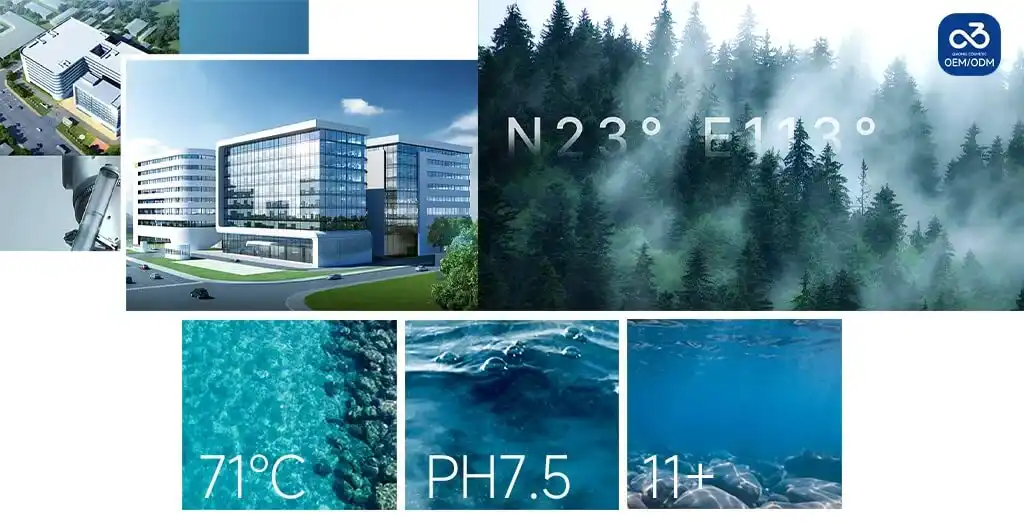
As the pioneer and industry leader in natural thermal spring water ingredients for the global cosmetics sector, we hold exclusive rights to a precious natural thermal water resource—the only one in Asia, one of only two in the world.
Over the past 25+ years, we have partnered with top laboratory teams across multiple countries to jointly establish application standards for thermal spring water in cosmetics and build a comprehensive R&D and efficacy verification system for ingredients.
Our core strengths are built upon three pillars:
- Resource Exclusivity: Control over one of only two globally recognized natural active thermal spring water sources, and the sole such resource in Asia.
- Scientific Authority: Long-term collaborative partnerships with leading research institutions in France, Japan, and Switzerland.
- Proven Expertise: 25 years of specialized focus on thermal spring water ingredient R&D, coupled with active participation in establishing industry standards.
We remain committed to transforming this natural endowment into safe and effective cosmetic ingredients through scientific innovation, delivering unique solutions for global brands. Every achievement is grounded in rigorous scientific validation, maintaining our authoritative position in the field of thermal spring water skincare.