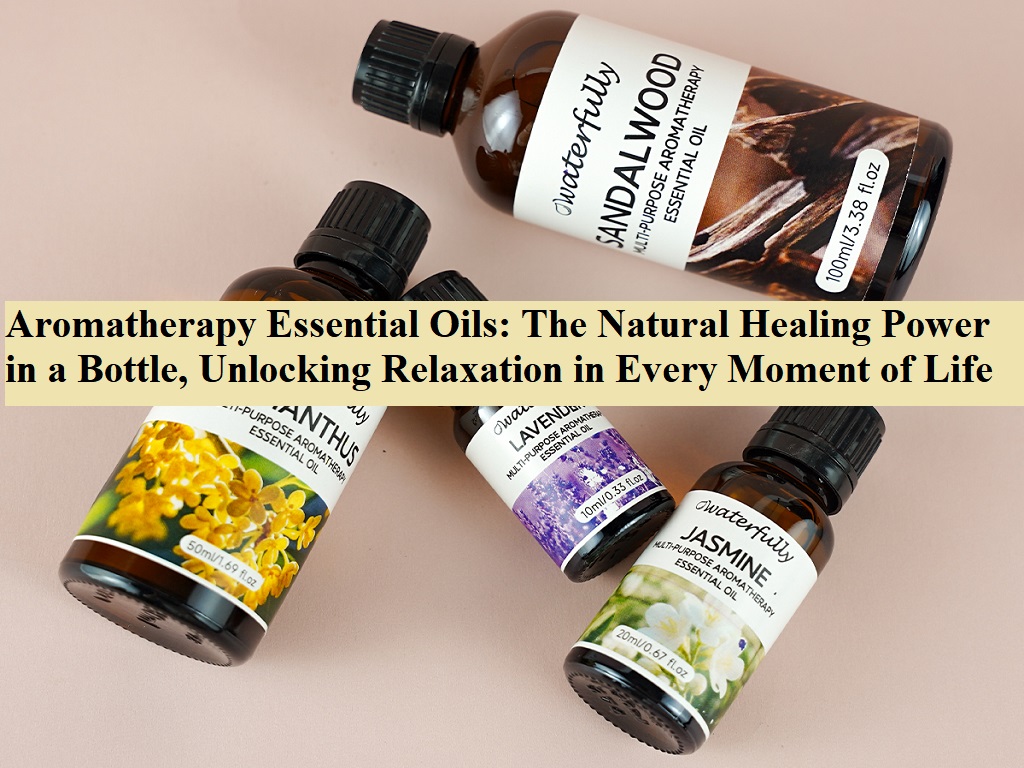
In the fast-paced modern life, we are overwhelmed by the busyness of work and the trivialities of daily life, often rushing about in fatigue and anxiety, yearning for a corner to settle our body and mind, and a comfort to heal our emotions. Aromatherapy essential oils, the concentrated extracts from natural plants, have become the life companion of more and more people with their pure fragrance and mild healing power. They not only infuse unique fragrance into the space, but also penetrate the body and mind, relieve stress, improve sleep, nourish emotions, and add a sense of ritual and relaxation to the ordinary daily life.
From the ancient aromatherapy to the modern life aesthetics, aromatherapy essential oils have crossed thousands of years and integrated into the fabric of our life. They are not just simple “fragrance carriers”, but gifts from nature and the continuation of plant vitality. Every drop carries the soul of plants and the nourishment of the earth. Today, let’s fully unlock the world of aromatherapy essential oils, from their origin and application to selection and use, and take you to understand the charm of this bottle of “natural healing agent”, making it a gentle companion in your life and healing every tired moment.
I. Tracing the Origin of Aromatherapy Essential Oils: The Fragrant Wisdom Spanning Thousands of Years
The history of aromatherapy essential oils can be traced back to the ancient civilizations such as ancient Egypt, ancient Babylon and ancient Greece, and it is one of the earliest natural healing methods used by humans. The ancient Egyptians used plant essential oils such as lavender, myrrh and frankincense for sacrifice, beauty and preservation, believing that they had the sacred power to “connect heaven and earth”; the ancient Greeks used essential oils for medical treatment. Hippocrates, known as the “Father of Aromatherapy”, once proposed that “fragrance is the medicine of the body”, and used essential oils such as rosemary and peppermint to relieve fatigue and treat diseases. In ancient China, aromatic plants such as agarwood, sandalwood and wormwood have long been used for traditional Chinese medicine physical therapy and religious rituals. Compendium of Materia Medica records the medicinal value of a variety of aromatic plants, believing that they can “regulate qi and relieve stagnation, calm the nerves and improve sleep”.
It was not until the 20th century that the French chemist René-Maurice Gattefossé accidentally discovered that lavender essential oil could heal his own burns, which formally systematized and scientized aromatherapy. Since then, aromatherapy essential oils have gradually moved from a “niche healing method” to “public life”. Nowadays, with people’s pursuit of a natural and healthy life, aromatherapy essential oils are no longer exclusive to high-end spas and niche circles, but have entered ordinary families and become a necessary good to improve the quality of life and soothe the body and mind.
Notably, the popularity of aromatherapy essential oils is no accident, and it is backed by people’s urgent demand for “natural healing”. According to the World Health Organization, about 27% of adults worldwide suffer from varying degrees of insomnia. At the same time, emotional problems such as anxiety, high pressure and listlessness have become common troubles of modern people. As a natural therapy, aromatherapy essential oils have become an ideal choice to alleviate these problems with their advantages of high safety, no significant side effects and easy use.
https://pmc.ncbi.nlm.nih.gov/articles/PMC11709026/pdf/JFMPC-13-5833.pdf
II. Understanding Aromatherapy Essential Oils: What is the Real Natural Essence?
Many people confuse aromatherapy essential oils with ordinary perfumes and scented candles, thinking that “as long as there is fragrance, it is aromatherapy essential oil”. In fact, there is an essential difference between real aromatherapy essential oils and these products – they are volatile aromatic substances extracted from the flowers, leaves, stems, roots, fruits, bark and other parts of aromatic plants through natural methods such as distillation, pressing and cold maceration, without adding any artificial flavors, preservatives or diluents, and are pure “plant essences”.
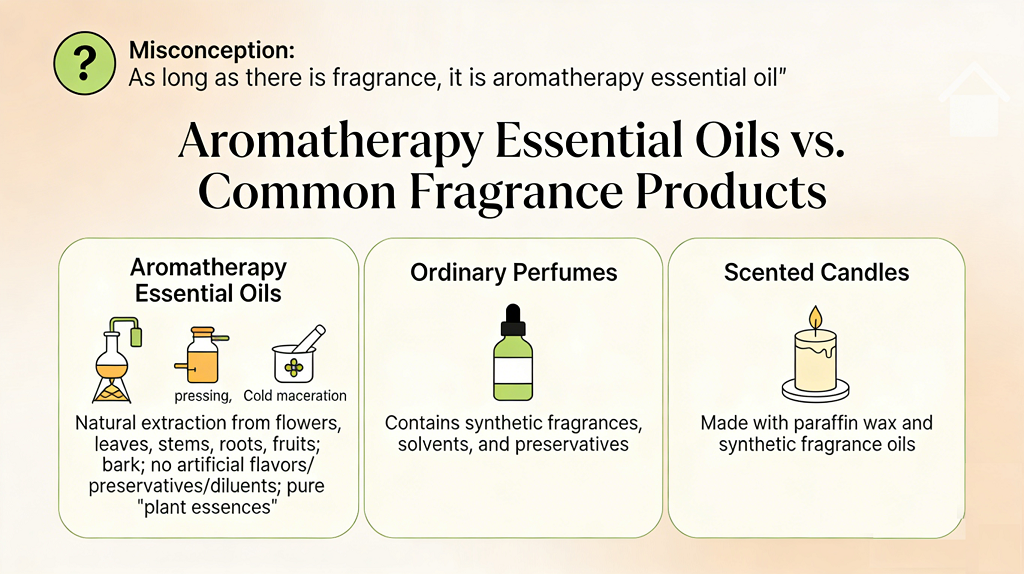
Simply put, the core characteristics of aromatherapy essential oils are “natural, pure and efficient”: natural, derived from natural plants without artificial additives; pure, retaining the aromatic components and nutrients of the plants themselves; efficient, the concentration of one drop of essential oil is equivalent to tens or even hundreds of times that of the plant itself. For example, about 10 milliliters of lavender essential oil can be extracted from 1000 grams of lavender, and its healing power is more prominent.
Most ordinary perfumes and scented candles are added with artificial flavors, alcohol, paraffin and other components. Their fragrance is pungent and short-lived, with no healing effect at all. Some inferior products may even release harmful substances, irritate the respiratory tract and affect physical health. As professionals in the industry say, the real aromatherapy essential oil has a “natural herbal fragrance”, which is soft and lasting, and can soothe people’s body and mind; while the fragrance of artificial flavors is often too strong and deliberate, making people feel uncomfortable after a long time of smelling.
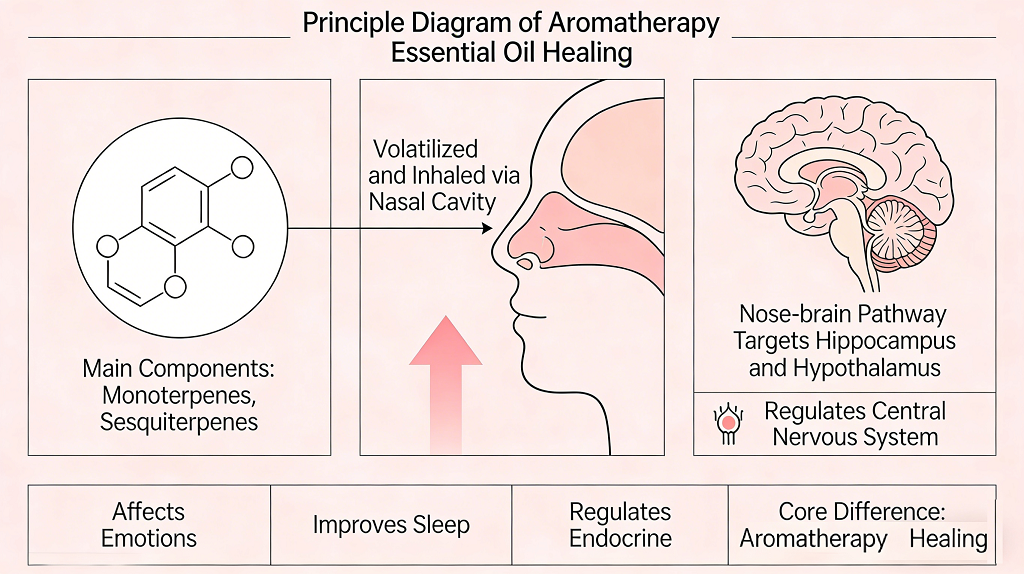
In terms of ingredients, the main components of aromatherapy essential oils are monoterpenes and sesquiterpenes. These natural compounds are the key to their healing effect. When the essential oil molecules volatilize and are inhaled through the nasal cavity, they will target the hippocampus, hypothalamus and other parts of the brain through the nose-brain pathway, regulate the central nervous system, and then affect emotions, sleep, endocrine and so on, achieving the effect of “aromatherapy healing”. This is the core difference between aromatherapy essential oils and other fragrance products – they can not only “smell the fragrance”, but also “heal”.
In addition, safety is the primary consideration when choosing aromatherapy essential oils. Pure natural plant essential oils are the safest choice for aromatherapy. Such essential oils are directly extracted from plants, retaining the natural components of plants and containing no harmful chemical substances. Some inferior essential oils may be added with mineral oil, silicone oil and other components. Although they have a good skin feel when used, long-term use will clog pores, cause acne, and even irritate the skin and respiratory tract. Therefore, learning to distinguish real aromatherapy essential oils is the first step to start the aromatherapy healing journey.
III. The Core Efficacy of Aromatherapy Essential Oils: More Than Just Fragrance, But Physical and Mental Healing
The healing power of aromatherapy essential oils comes from their natural aromatic components. Different types of essential oils have different efficacy due to different plant characteristics. In general, their core efficacy is mainly concentrated in four aspects: “emotional regulation, sleep improvement, physical relaxation and space purification”, which nourish the body and mind in an all-round way and help us get rid of the fatigue and troubles of modern life.
(1) Emotional Regulation: Calm Anxiety and Heal Mental Internal Friction
One of the biggest troubles of modern people is mental internal friction – anxiety, irritability, depression, listlessness and other negative emotions not only affect the mood, but also affect work and life. Aromatherapy essential oils can quickly soothe negative emotions and help us regain inner peace by regulating the central nervous system.
For example, lavender essential oil, known as the “emotional soothing agent”, contains linalool and linalyl acetate, which have a strong sedative effect, can relieve anxiety and tension, and improve low mood, especially suitable for people with high work pressure and easy anxiety; bergamot essential oil has a fresh citrus fragrance, can soothe depression and irritability, make the mood happy and relaxed, suitable for moments of low mood and easy melancholy; sandalwood essential oil has a mellow and lasting woody fragrance, can soothe the impetuous heart and bring a sense of security, suitable for meditation and relaxation.
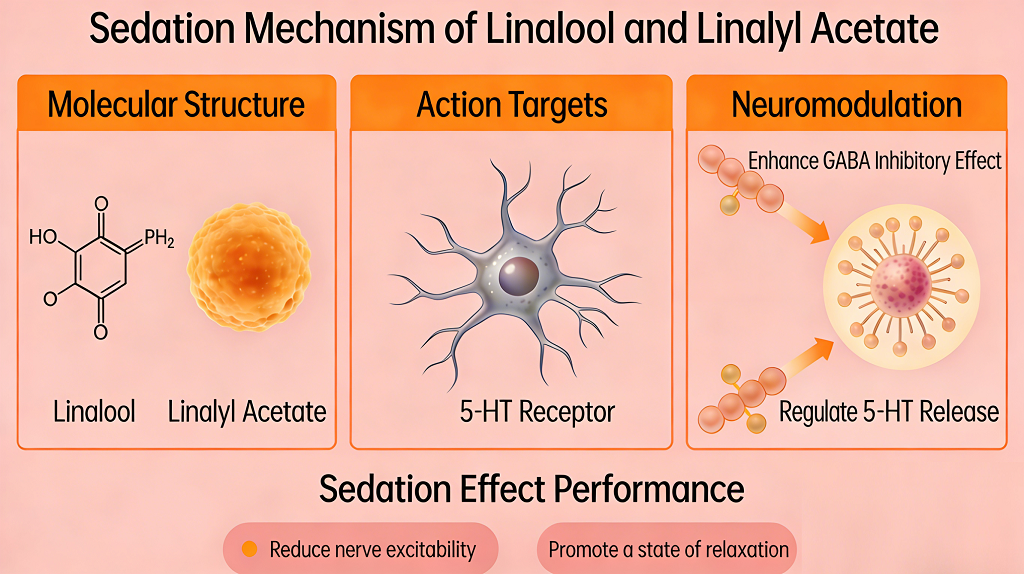
A large number of studies have shown that essential oil inhalation therapy has a good relieving effect on emotional disorders such as anxiety and depression, and can be used as an auxiliary therapy. When you feel tired and irritable, drop a few drops of essential oil, let the fragrance fill the air, close your eyes and take a deep breath, and you can feel your emotions slowly soothe and your heart gradually calm down. All internal friction and anxiety can be released in this wisp of fragrance.
(2) Sleep Improvement: Say Goodbye to Insomnia and Enjoy a Good Sleep
Insomnia is a “common problem” of modern people – difficulty falling asleep, easy waking up in the middle of the night, poor sleep quality. Long-term insomnia not only makes people listless, but also leads to a series of health problems such as decreased immunity, increased risk of cardiovascular diseases and memory decline. As a natural sleep aid, aromatherapy essential oils can effectively improve sleep quality without relying on drugs and help us say goodbye to insomnia troubles.
Different from traditional sedative drugs that may bring side effects and dependence, essential oil aromatherapy is a safer and milder sleep aid choice with no significant side effects. Lavender essential oil is a recognized “sleep aid artifact”. It can inhibit the excitability of the brain, regulate the secretion of melatonin, help us fall asleep quickly, reduce the number of waking up in the middle of the night and improve sleep quality; chamomile essential oil has a soft floral fragrance, can soothe the nerves and relieve fatigue, suitable for use before going to bed, making the body and mind completely relaxed and entering deep sleep; woody essential oils such as agarwood and sandalwood have a mellow and peaceful fragrance, can soothe the nerves and help relieve anxiety before going to bed, allowing you to enjoy a good night’s sleep in the fragrance.
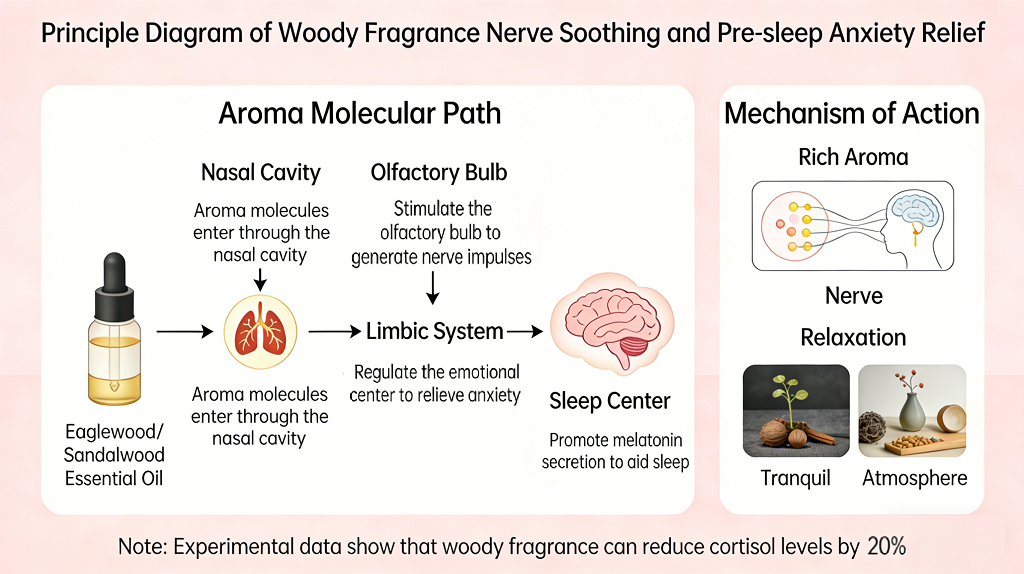
In addition to single essential oils, some compound sleep-aid essential oils have more prominent effects. For example, the sleep-soothing essential oil selected from 12 kinds of imported plant essential oils has been verified by behavioral tests and neurotransmitter research, which can regulate sleep more accurately and has become the selected product for aromatherapy rooms in high-end hotels and homestays. In addition, drinking a cup of hot tea with 2-4 drops of lavender or bergamot essential oil half an hour before going to bed can also help calm the nervous system, promote relaxation and prepare for sleep.
(3) Physical Relaxation: Relieve Fatigue and Nourish the Body and Mind
Prolonged sitting, staying up late and overwork will put the body in a sub-health state – shoulder and neck soreness, muscle stiffness, fatigue and weakness, dizziness and headache and other problems occur frequently. Aromatherapy essential oils can not only soothe emotions, but also relieve physical discomfort and nourish the body and mind through skin absorption and olfactory inhalation.
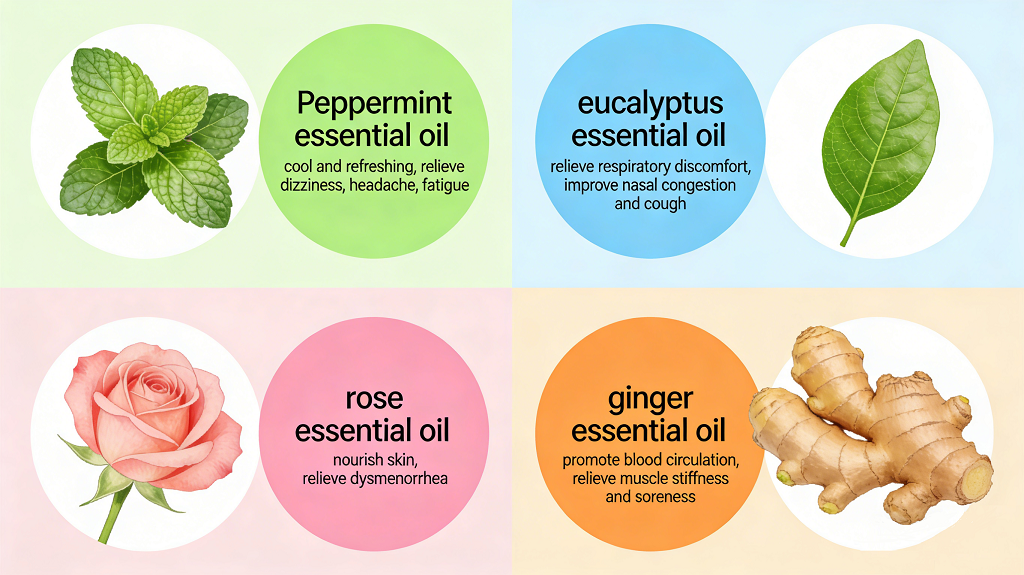
Peppermint essential oil has a cool and refreshing effect, can relieve dizziness, headache, fatigue and weakness, suitable for use at work and study to help you quickly regain energy; eucalyptus essential oil can relieve respiratory discomfort, improve nasal congestion and cough, especially suitable for use during seasonal changes and colds; rose essential oil has the effect of nourishing the skin and relieving dysmenorrhea, suitable for women, which can not only improve the skin state, but also relieve menstrual discomfort; ginger essential oil can promote blood circulation, relieve muscle stiffness and shoulder and neck soreness, suitable for people who sit for a long time and after exercise.
In addition, aromatherapy essential oils can also be used for skin care. For example, Tianxiang Rugu Rejuvenating Essential Oil contains 21 kinds of imported essential oils, through 21 skin care processes, natural extraction and high permeability, can reach the bottom of the skin, achieve the effects of long-lasting moisturizing, firming and reducing fine lines, rejuvenating and brightening the skin, truly achieving “pleasing oneself with fragrance and nourishing the skin with oil”.
(4) Space Purification: Freshen the Air and Create an Atmosphere
Aromatherapy essential oils can not only nourish the body and mind, but also purify the air, remove peculiar smells, and create a comfortable and fresh space atmosphere. Different from air fresheners, the fragrance of aromatherapy essential oils is natural and lasting, will not produce pungent peculiar smells, and can inhibit bacteria and mites in the air, improving the quality of indoor air.
Citrus essential oils such as lemon essential oil and orange essential oil have a fresh and lively fragrance, can remove indoor peculiar smells and purify the air, suitable for living rooms, kitchens, bathrooms and other spaces; tea tree essential oil has antibacterial and anti-inflammatory effects, can inhibit bacteria in the air, prevent colds and influenza, suitable for bedrooms, studies and other spaces; floral essential oils such as rose essential oil and jasmine essential oil have a rich and romantic fragrance, can create a warm and romantic atmosphere, suitable for bedrooms and living rooms, enhancing the sense of ritual of life.
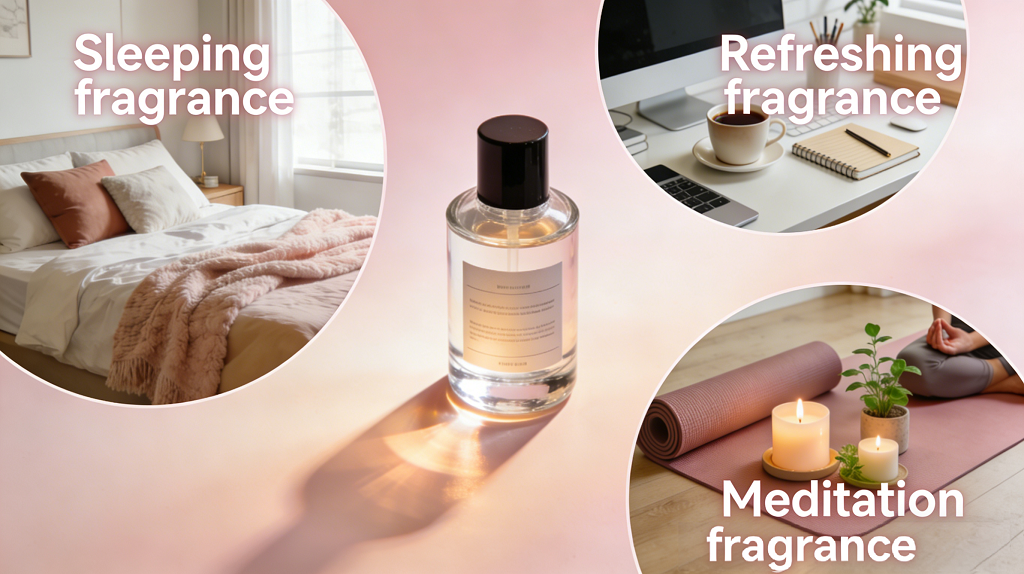
For commercial spaces, aromatherapy essential oils can also play an important role. Many hotels, homestays and office buildings will choose specific aromatherapy essential oils to create specific themed space fragrances such as sleep, refreshment and meditation, providing a more comfortable experience for customers and employees, and improving the grade and atmosphere of the space.
IV. Analysis of Popular Aromatherapy Essential Oil Categories: Choose According to Needs and Unlock Exclusive Healing
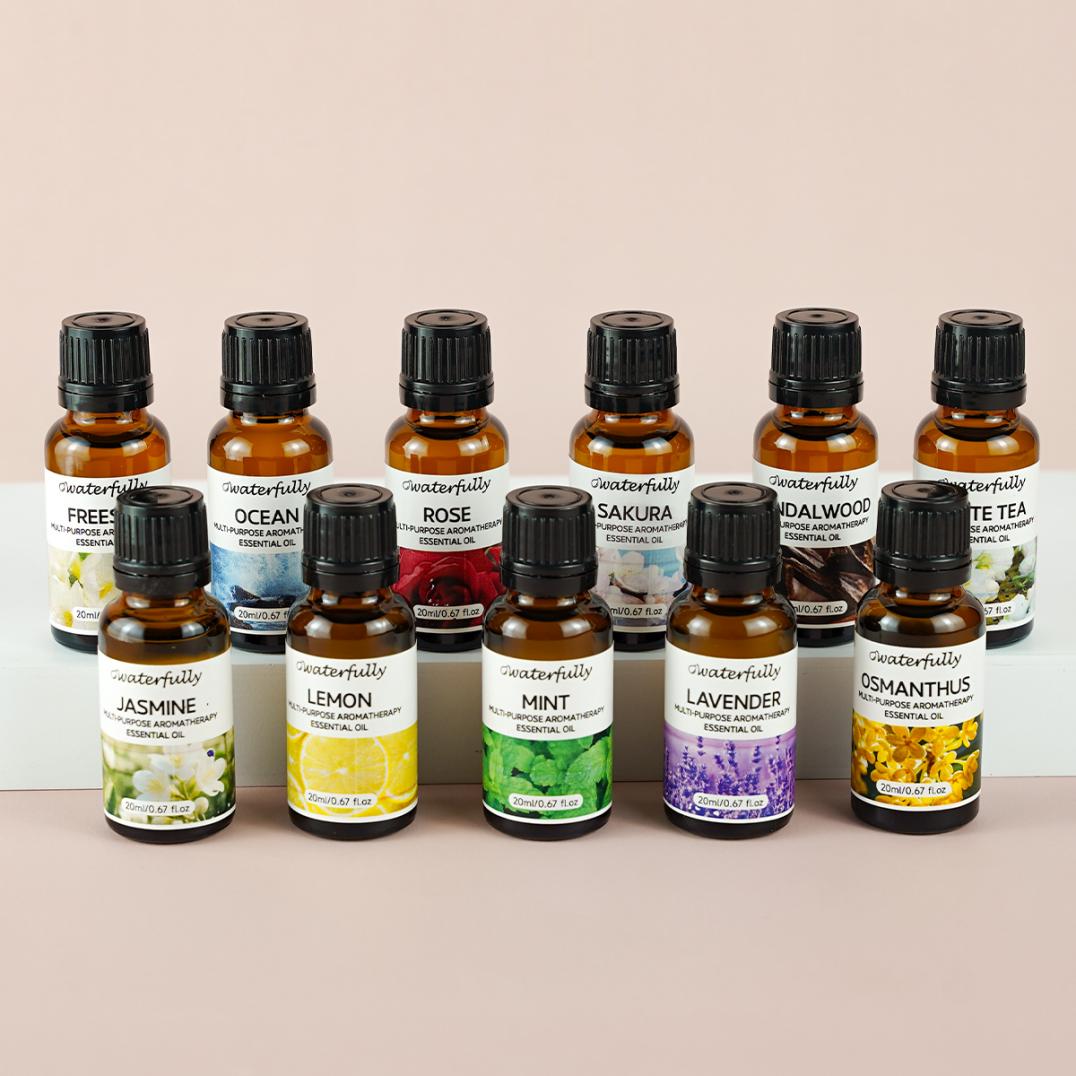
There are many types of aromatherapy essential oils. Different types of essential oils have different fragrances, efficacy and applicable scenarios. The following is an analysis of several of the most popular aromatherapy essential oils to help you choose the right essential oil according to your own needs and unlock the exclusive aromatherapy healing experience.
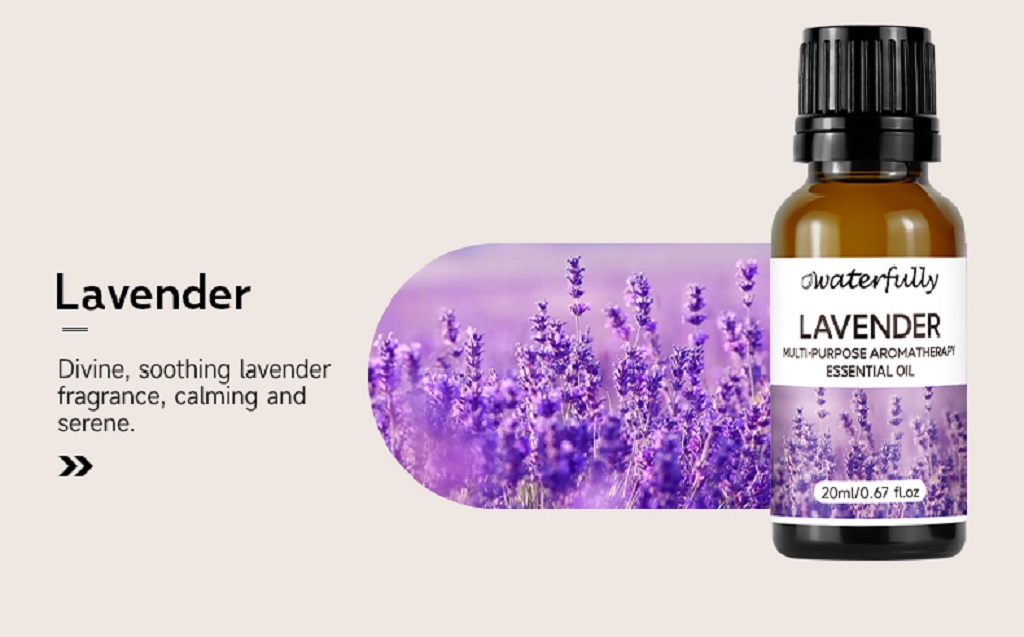
(1) Lavender Essential Oil: All-Purpose Healing, a Must for Beginners
Lavender essential oil is the most popular and all-purpose category of aromatherapy essential oils, known as the “King of Essential Oils”, and is also the first choice for beginners. Its fragrance is soft and lasting, with a faint herbal fragrance, not pungent or deliberate, suitable for all kinds of people and scenes.
Core Efficacy: Calm emotions, relieve anxiety, improve sleep, anti-inflammatory and bactericidal, fade acne marks.
Applicable Scenarios: Bedroom (sleep aid), study (fatigue relief), bathroom (air purification), skin care (fading acne marks, moisturizing).
Usage: Drop 3-5 drops in an aromatherapy diffuser before going to bed to create a sleep-aid atmosphere; dilute 1-2 drops and apply on acne marks, persist in using to fade acne marks; when feeling anxious, drop 1 drop in the palm, rub and take a deep breath to quickly calm emotions.
Notes: Pregnant women and infants can use a small amount; sensitive skin needs to be used after dilution.
(2) Lemon Essential Oil: Fresh and Refreshing, a Must for the Office
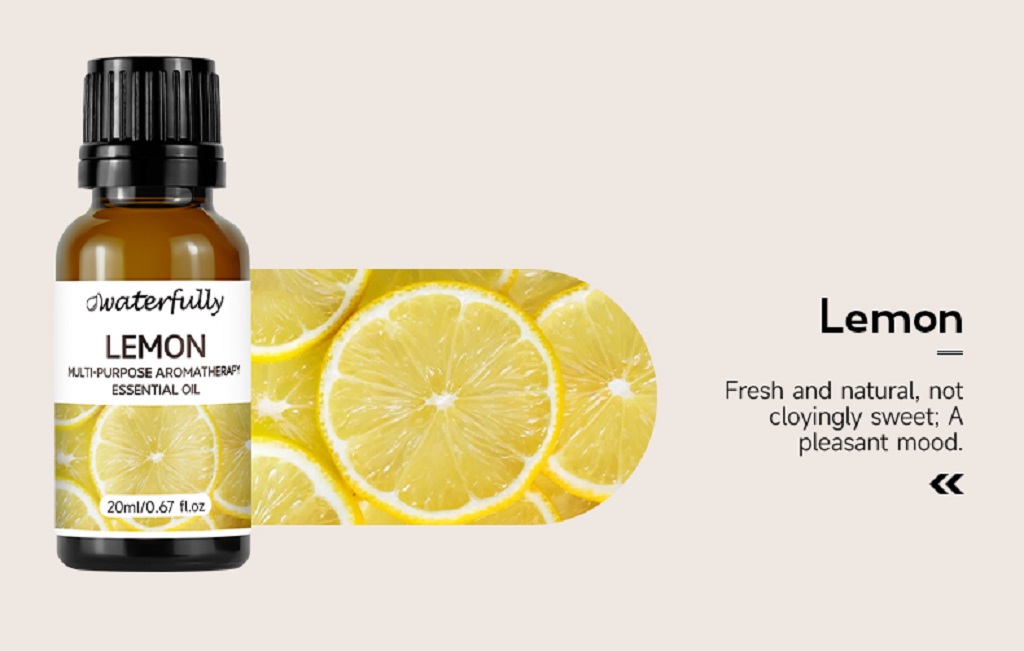
Lemon essential oil has a fresh and lively fragrance with a rich citrus aroma, which can quickly refresh the mind and relieve fatigue, and is a must-have essential oil for work and study. It is pale yellow in color, refreshing in texture, highly volatile, and its fragrance can quickly fill the space.
Core Efficacy: Refresh the mind, relieve fatigue, purify the air, remove peculiar smells, whiten the skin.
Applicable Scenarios: Office (refreshing), kitchen (removing cooking fume), living room (air purification), skin care (whitening and brightening).
Usage: Drop 2-3 drops in an aromatherapy diffuser at work to quickly relieve fatigue and improve concentration; after using the kitchen, drop 1-2 drops on a rag and wipe the countertop to remove cooking fume; dilute 1 drop and apply on the face to whiten and brighten the skin (avoid the eye area).
Notes: Lemon essential oil is photosensitive; avoid prolonged exposure to the sun after applying on the skin, otherwise it will cause the skin to turn black; sensitive skin needs to be used after dilution.
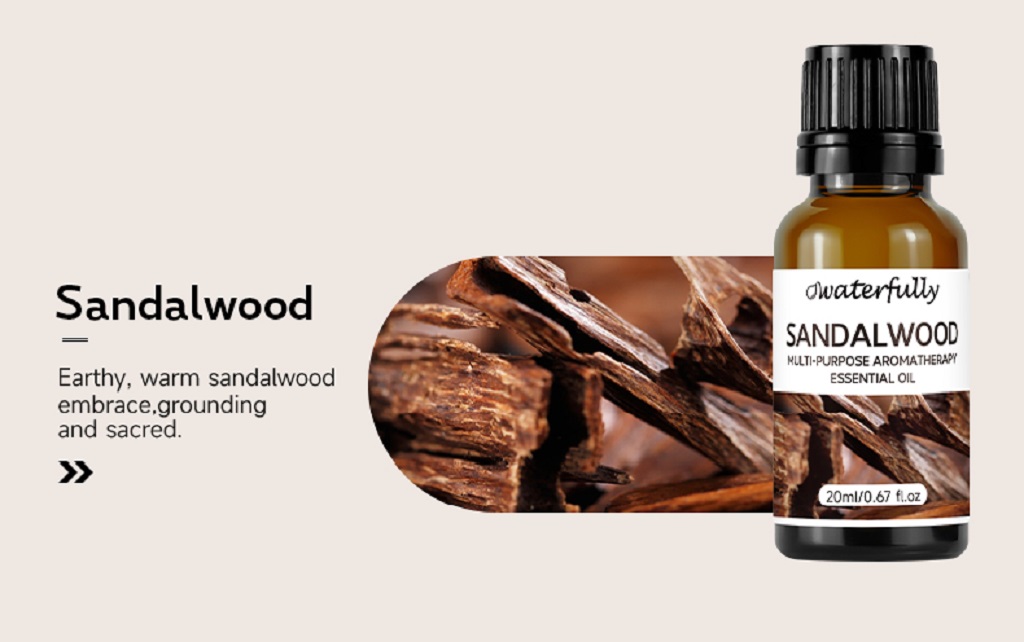
(3) Sandalwood Essential Oil: Calming and Soothing, the First Choice for Meditation
Sandalwood essential oil has a mellow and lasting fragrance with a faint woody aroma, which can soothe the impetuous heart and bring a sense of security, and is the first choice for meditation and relaxation. It is dark yellow in color, thick in texture, low in volatility, and its fragrance is long-lasting, which can fill the space for a long time.
Core Efficacy: Calm emotions, relieve anxiety, calm the nerves and improve sleep, purify the air, nourish the skin.
Applicable Scenarios: Bedroom (sleep aid), study (meditation, relaxation), living room (creating a peaceful atmosphere).
Usage: Drop 2-3 drops in an aromatherapy diffuser during meditation to help concentrate and soothe the heart; drop 3-5 drops before going to bed to create a peaceful sleep-aid atmosphere and improve sleep quality; dilute 1 drop and apply on the wrists and neck as a natural perfume.
Notes: Pregnant women should use it with caution; sensitive skin needs to be used after dilution.
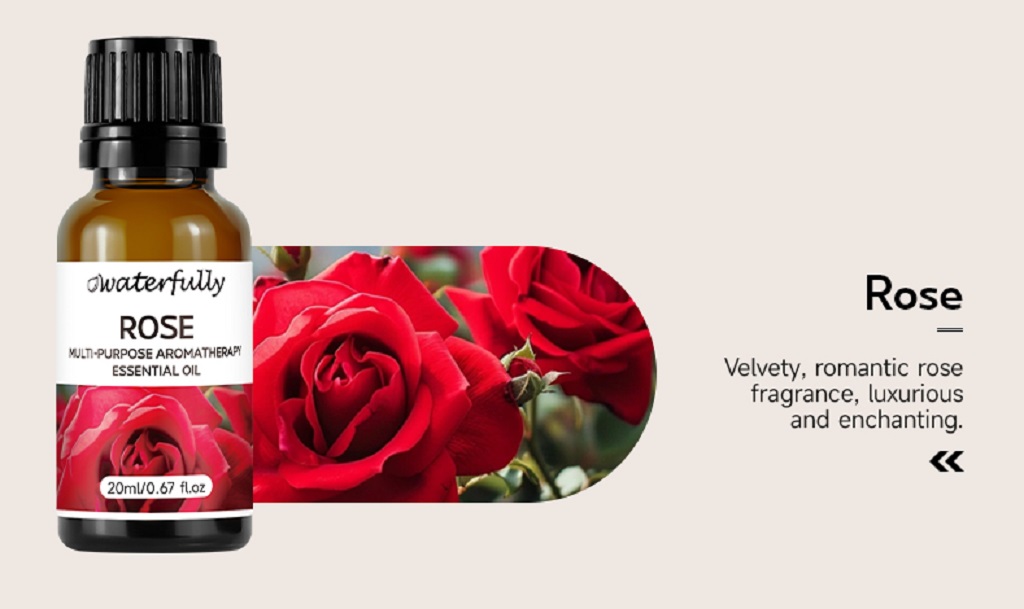
(4) Rose Essential Oil: Romantic and Nourishing, Exclusive for Women
Rose essential oil is one of the most expensive categories of aromatherapy essential oils, known as “liquid gold”. Its fragrance is rich and romantic with a faint rose fragrance, which can nourish the skin, regulate emotions and relieve dysmenorrhea, and is an exclusive essential oil for women.
Core Efficacy: Nourish the skin, fade fine lines, regulate emotions, relieve dysmenorrhea, promote blood circulation.
Applicable Scenarios: Bedroom (creating a romantic atmosphere), bathroom (nourishing in a bath), skin care (anti-aging, moisturizing), menstrual care.
Usage: Drop 3-5 drops in warm water when taking a bath to nourish the skin and relieve fatigue; dilute 1 drop and apply on the face to fade fine lines and improve skin luster; during menstruation, drop 2-3 drops on the abdomen and massage gently to relieve dysmenorrhea.
Notes: The price is relatively high, so use an appropriate amount; pregnant women and lactating women should use it with caution.
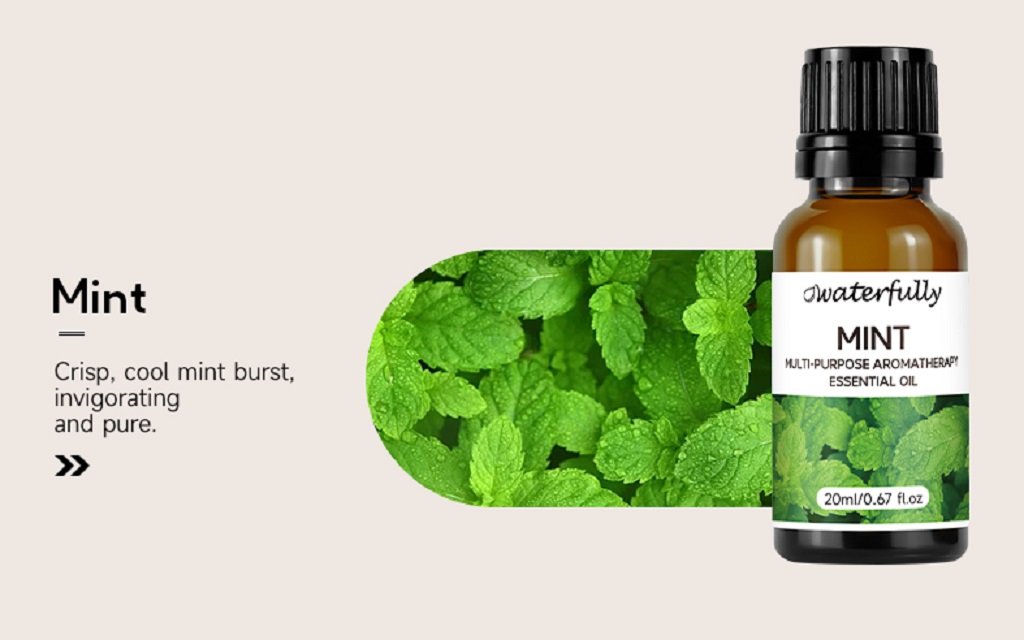
(5) Peppermint Essential Oil: Cool and Refreshing, Relieve Discomfort
Peppermint essential oil has a cool and fresh fragrance with a faint mint flavor, which can quickly refresh the mind, relieve dizziness and headache, and improve respiratory discomfort, and is a must-have essential oil for seasonal changes, colds and fatigue. It is light green in color, refreshing in texture, extremely volatile, and its fragrance can quickly relieve discomfort.
Core Efficacy: Refresh the mind, relieve dizziness and headache, improve nasal congestion, anti-inflammatory and bactericidal, relieve muscle soreness.
Applicable Scenarios: Office (refreshing), bedroom (relieving nasal congestion), after exercise (relieving muscle soreness), during a cold (improving respiratory discomfort).
Usage: When suffering from dizziness and headache, drop 1 drop on the temple and massage gently; when suffering from a cold and nasal congestion, drop 1 drop in the palm, rub and take a deep breath to relieve nasal congestion; after exercise, dilute 2-3 drops and apply on the sore muscle parts and massage gently to relieve discomfort.
Notes: Pregnant women and infants should use it with caution; avoid direct application on sensitive parts such as eyes and mouth.
(6) Compound Essential Oils: Precise Healing, a Worry-Free Choice
In addition to single essential oils, compound essential oils are also a very popular choice. Compound essential oils are scientifically blended from a variety of single essential oils, which can combine the efficacy of multiple essential oils to achieve more precise and comprehensive healing effects, without the need for self-blending, and are more convenient to use.
For example, Fanyin Muyu Energy Essential Oil carefully selects precious spices such as sandalwood, agarwood, benzoin and frankincense to create a mellow oriental fragrance, with the efficacy of energy healing and self-cultivation, and is the selected product for theme hotels in the four famous mountains; Hefeng Rumu Vitality Essential Oil carefully selects high-quality imported plant essential oils from all over the world, combined with 10 kinds of refreshing and resuscitating compounds in Shennong’s Herbal Classic, which can quickly boost energy and is suitable for work, study and driving; Suyun Miyu Enchanting Essential Oil is scientifically formulated from 12 kinds of natural plants, which can create a romantic atmosphere and is a word-of-mouth product for romantic theme hotels and homestays.
V. The Correct Usage of Aromatherapy Essential Oils: Unlock a Variety of Scenarios and Maximize the Efficacy
There are many ways to use aromatherapy essential oils. Different usage methods are suitable for different scenarios and have different focuses on efficacy. Mastering the correct usage methods can maximize the healing power of essential oils and avoid discomfort caused by improper use. The following introduces several of the most common and safe usage methods, which are easy for beginners to get started.
(1) Aromatherapy Diffuser Method: The Most Common, Suitable for Space Healing
The aromatherapy diffuser method is the most common and convenient usage method, suitable for living rooms, bedrooms, studies and other spaces. It can quickly fill the entire space with fragrance and achieve the effects of emotional regulation and space purification.
Usage Steps: 1. Add an appropriate amount of clean water to the aromatherapy diffuser (depending on the capacity of the aromatherapy diffuser, generally 100-200ml); 2. Drop 3-5 drops of aromatherapy essential oil (adjust the dosage according to the space size and personal preference, the larger the space, the appropriate increase in dosage); 3. Turn on the aromatherapy diffuser, wait for 5-10 minutes, the fragrance will slowly spread, and it can be used continuously for 2-4 hours.
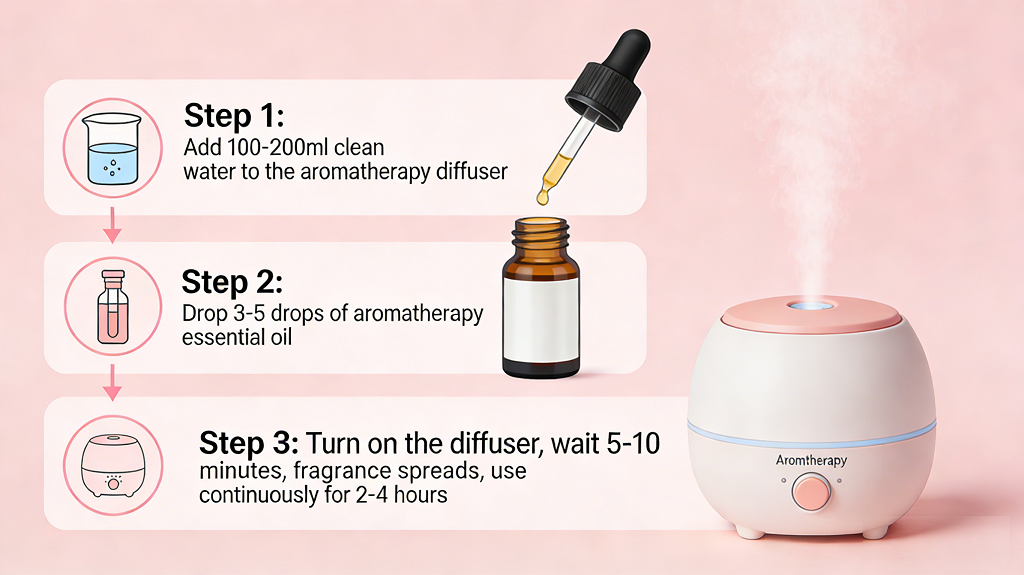
Notes: 1. Do not add too much essential oil, otherwise the fragrance will be too strong and may irritate the respiratory tract; 2. Do not place the aromatherapy diffuser near open fire or high-temperature objects when in use; 3. Clean the aromatherapy diffuser regularly to avoid bacterial growth caused by essential oil residue.
(2) Skin Application Method: Suitable for Physical Relaxation and Skin Care
The skin application method is to apply diluted essential oil on the skin, absorb it through the skin, achieve the effects of physical relaxation and skin care, and is suitable for relieving muscle soreness, fading acne marks, nourishing the skin and other scenarios.
Usage Steps: 1. Prepare a carrier oil (such as jojoba oil, sweet almond oil, olive oil, etc.), which can dilute the essential oil and reduce irritation to the skin; 2. Mix the essential oil with the carrier oil at a ratio of 1:10 (1 drop of essential oil + 10 drops of carrier oil, sensitive skin can be adjusted to 1:20); 3. Apply the mixed essential oil on the parts to be cared for and massage gently for 1-2 minutes to promote absorption.
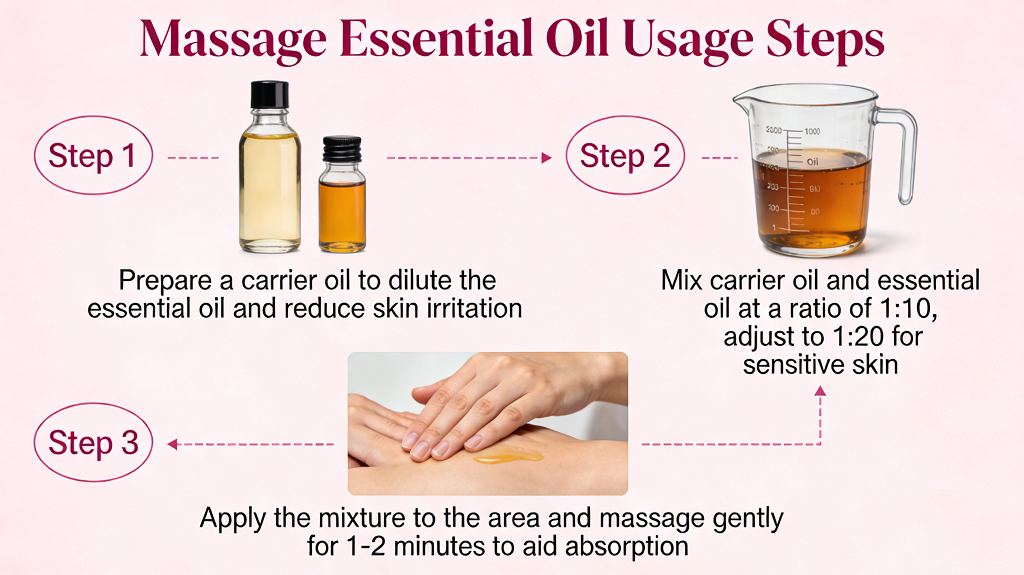
Notes: 1. Single essential oils (except lavender and tea tree essential oils) cannot be directly applied to the skin, otherwise they will irritate the skin, cause redness and allergy; 2. Before application, a skin test can be done behind the ear or on the inside of the arm, observe for 24 hours, and use only if there is no discomfort; 3. Avoid sensitive parts such as eyes, mouth and wounds; 4. Pregnant women, infants and sensitive skin should use it with caution, it is best to consult a professional before use.
(3) Aromatherapy Bath Method: Suitable for Whole Body Relaxation and Fatigue Relief
The aromatherapy bath method is to add essential oil to warm water, and through bathing, let the essential oil molecules be absorbed through the skin and inhaled through the sense of smell, achieving the effects of whole body relaxation, fatigue relief and skin nourishment, suitable for use before going to bed and after exercise.
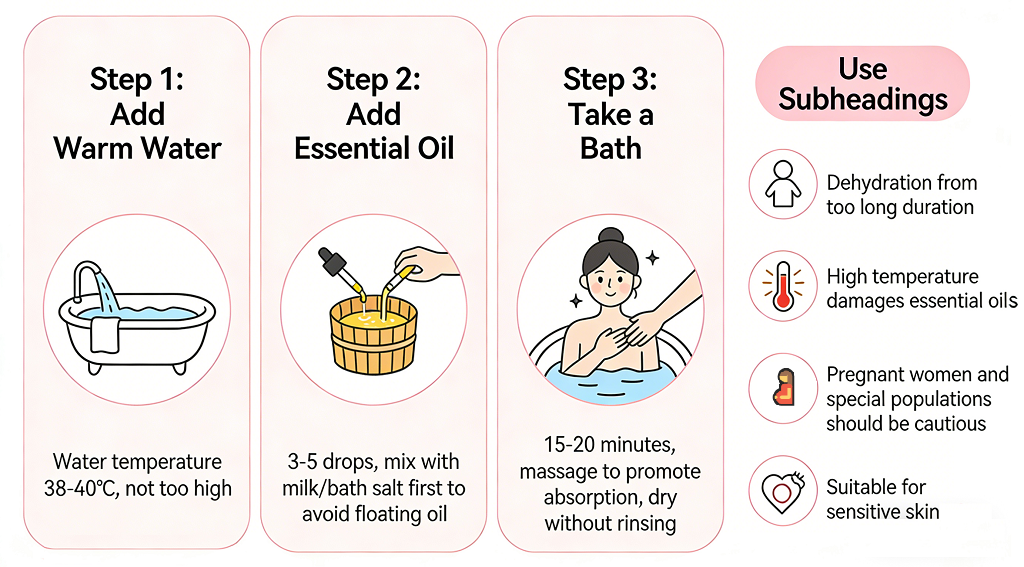
Usage Steps: 1. Add an appropriate amount of warm water to the bathtub (the water temperature is controlled at 38-40℃, not too high); 2. Drop 3-5 drops of aromatherapy essential oil and stir well (the essential oil can be mixed with a small amount of milk or bath salt first, then added to the water to avoid the essential oil floating on the water surface and irritating the skin); 3. Take a bath for 15-20 minutes, massage the body gently during the bath to promote the absorption of essential oil, dry the body gently with a towel after the bath, no need to rinse, let the skin fully absorb the nutrients of essential oil.
Notes: 1. Do not take a bath for too long, otherwise it will cause dehydration of the body; 2. The water temperature should not be too high, otherwise it will destroy the components of the essential oil and reduce the healing effect; 3. Pregnant women, patients with high blood pressure and heart disease should use it with caution; 4. Sensitive skin needs to do a skin test first.
(4) Olfactory Inhalation Method: Suitable for Quick Emotional Relief and Discomfort Improvement
The olfactory inhalation method is to directly inhale the fragrance of essential oil, quickly relieve emotions, improve dizziness, headache, nasal congestion and other discomfort, suitable for use when anxious, fatigued and having a cold, with simple and convenient operation.
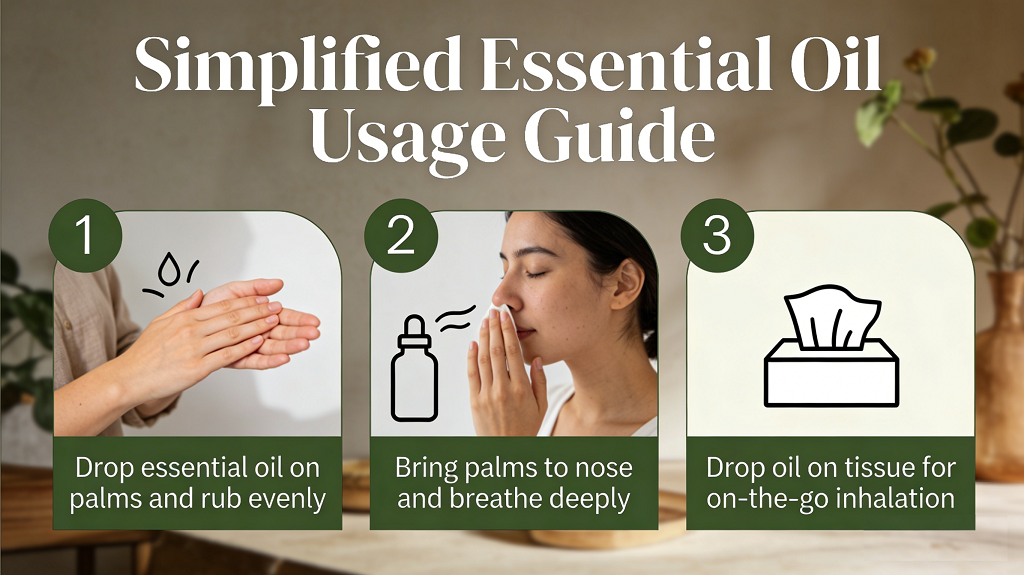
Usage Steps: 1. Drop 1-2 drops of essential oil in the palm and rub evenly; 2. Bring the palm close to the nose, take a deep breath 3-5 times, let the fragrance of essential oil enter the nasal cavity and reach the brain directly; 3. The essential oil can also be dropped on a tissue or handkerchief and carried with you for inhalation at any time.
Notes: 1. Do not drop essential oil directly into the nasal cavity, otherwise it will irritate the nasal mucosa; 2. Do not inhale too hard to avoid choking; 3. Do not use too much, otherwise the fragrance will be too strong and may cause dizziness.
(5) Other Creative Usages: Unlock the Sense of Ritual in Life
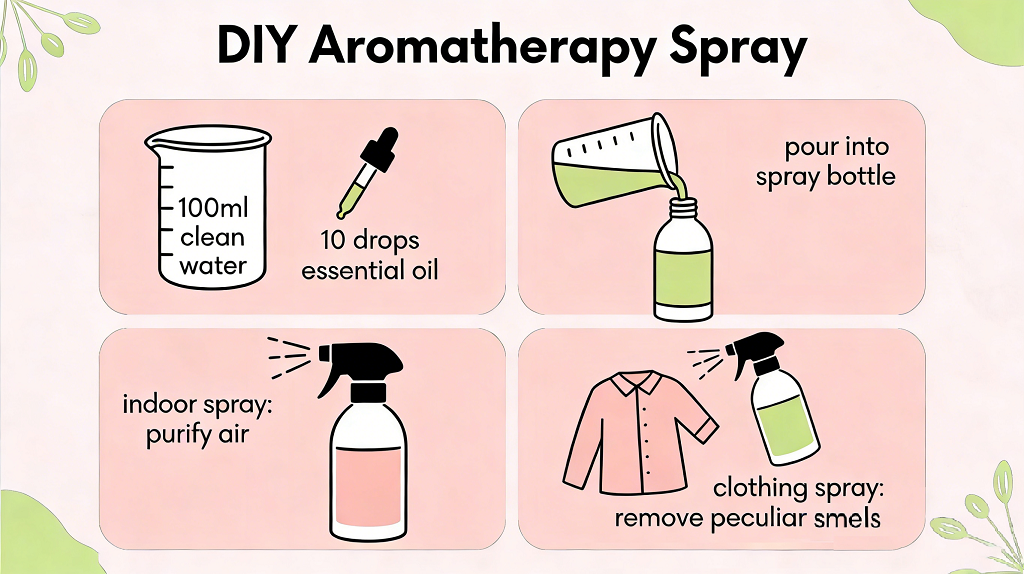
In addition to the above common methods, there are many creative ways to use aromatherapy essential oils, which can add a sense of ritual to life and integrate fragrance into every detail. For example: 1. Drop 1-2 drops of essential oil in the wardrobe and drawer to remove peculiar smells and make the clothes have a faint fragrance; 2. Drop 1 drop of essential oil on a bookmark, the fragrance will slowly spread when reading, enhancing the reading experience; 3. Make scented candles, mix essential oil with beeswax and soybean wax, pour into a container and solidify for use, creating a warm atmosphere; 4. DIY aromatherapy spray, mix 10 drops of essential oil with 100ml of clean water, pour into a spray bottle, which can be used for indoor spray and clothing spray to purify the air and remove peculiar smells.
In addition, we can learn from the creative gameplay of foreign trade independent stations, provide raw materials for users to DIY aromatherapy by themselves, or encourage users to share their use experience, expand brand influence with real user content, and make aromatherapy essential oils not only a product, but also a way of life.
VI. Misunderstandings in the Use of Aromatherapy Essential Oils: Never Make These Mistakes!
Many people easily fall into some misunderstandings when using aromatherapy essential oils due to lack of understanding, which not only fail to exert the healing effect of essential oils, but also may endanger physical health. The following lists several of the most common usage misunderstandings to help you use essential oils correctly and avoid discomfort.
Misunderstanding 1: Directly Apply Pure Essential Oil to the Skin
Many beginners think that pure essential oil has a better effect, so they directly apply pure essential oil to the skin. In fact, except that lavender and tea tree essential oils can be directly applied to local areas (such as acne marks and wounds) in a small amount, other essential oils cannot be directly applied to the skin. Pure essential oil has an extremely high concentration, and direct application will irritate the skin, cause redness, allergy and burns, and even trigger skin inflammation.
Correct Practice: When using essential oil for skin application, it must be diluted with carrier oil. The dilution ratio is adjusted according to the skin type and usage scenario, generally 1:10-1:20, and sensitive skin can appropriately increase the dilution ratio.
Misunderstanding 2: Overuse, Pursuing “The Stronger the Fragrance, the Better”
Some people think that the stronger the fragrance of essential oil, the better the effect, so they add a lot of essential oil when using it. In fact, the efficacy of essential oil has nothing to do with the dosage. Overuse will not only fail to improve the healing effect, but also cause discomfort such as dizziness, nausea and chest tightness due to the too strong fragrance, especially in a closed space, this discomfort will be more obvious.
Correct Practice: Use an appropriate amount of essential oil according to the space size and usage scenario. Generally, 3-5 drops are used for the aromatherapy diffuser each time, 1-2 drops for skin application (after dilution) each time, and 1-2 drops for olfactory inhalation each time.
Misunderstanding 3: Essential Oils Are Suitable for All People
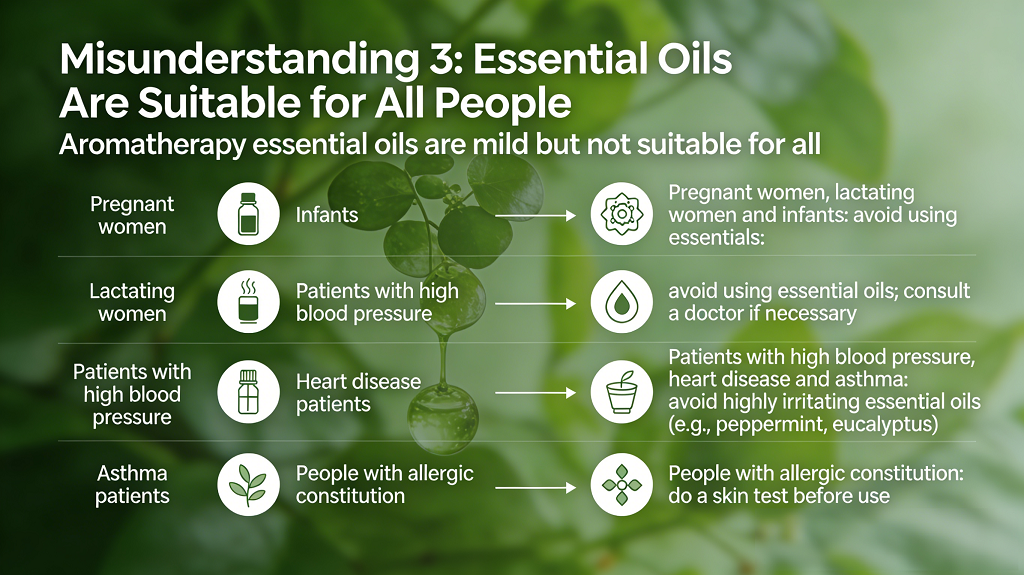
Although aromatherapy essential oils are mild, they are not suitable for all people. Pregnant women, infants, lactating women, patients with high blood pressure, heart disease, asthma, and people with allergic constitution need to use essential oils with extra caution, and even some essential oils are prohibited to use.
Correct Practice: Pregnant women, lactating women and infants should try to avoid using essential oils; if necessary, consult a doctor or professional aromatherapist; patients with high blood pressure, heart disease and asthma should avoid using highly irritating essential oils (such as peppermint and eucalyptus); people with allergic constitution must do a skin test before use and use only if there is no discomfort.
Misunderstanding 4: Essential Oils Can Replace Drug Treatment
Many people think that aromatherapy essential oils have healing effects, so they can replace drug treatment for diseases, such as using essential oils to treat colds, insomnia, dysmenorrhea and so on. In fact, aromatherapy essential oils are only an auxiliary healing method, which can relieve discomfort and improve symptoms, but cannot replace drug treatment for diseases.
Correct Practice: If you are suffering from a disease, you must seek medical treatment in time and follow the doctor’s treatment plan. Aromatherapy essential oils can be used as an auxiliary means to relieve discomfort and promote recovery, but you cannot rely on essential oils for disease treatment.
Misunderstanding 5: Essential Oils Can Be Stored in the Sun or High-Temperature Environment for a Long Time
The components of aromatherapy essential oils are relatively sensitive. Storing them in the sun or high-temperature environment for a long time will cause oxidation and deterioration of essential oils, which will not only lose their healing effect, but also may produce harmful substances and affect physical health.
Correct Practice: Store essential oils in a cool, dry and ventilated place, avoid direct sunlight and high-temperature environment, and seal for preservation. The shelf life is generally 1-2 years, and it is best to use them up within 6-12 months after opening.
VII. Taking Fragrance as a Medium, Unlocking a Natural Healing Lifestyle
Aromatherapy essential oils are gifts from nature, poetry of life, and even healing agents for the body and mind. They have no complicated use threshold and no pungent artificial peculiar smell, only pure herbal fragrance and mild healing power. They can help us find a quiet corner in the busy life, relieve anxiety, improve sleep, nourish the body and mind, and add a sense of ritual and relaxation to the ordinary daily life.
From the ancient aromatherapy to the modern life aesthetics, aromatherapy essential oils are no longer a niche healing method, but a gentle companion integrated into our life. It can be a wisp of freshness that wakes you up in the morning, a touch of fragrance that relieves fatigue in the afternoon, a moment of peace that soothes emotions before going to bed, and a burst of strength that boosts energy when working overtime, accompanying us through every moment of life.
Choose a bottle of aromatherapy essential oil that suits you, master the correct usage methods, avoid usage misunderstandings, and let this wisp of fragrance from nature penetrate every corner of life and heal every tired moment. May you, accompanied by fragrance, unload fatigue, soothe anxiety, regain inner peace and strength, unlock a natural healing lifestyle, and meet a better self.
Whether it is to create a comfortable home environment for yourself or prepare a warm gift for your family, aromatherapy essential oils are a good choice. They can not only bring fragrance and healing, but also convey a kind of warmth and beauty, making everyone who uses them feel the power of nature and the poetry of life.