Cost Analysis: 5 Key Factors Affecting Cosmetic Contract Manufacturing Pricing

When you dream of creating a unique cosmetic brand or are ready to expand your product line, partnering with a reliable OEM/ODM manufacturer is a crucial first step. However, upon contacting factories and receiving quotes, many brand founders or product managers are often puzzled: “Why is there such a big difference in quotes from different factories?” or “How exactly is this price structured?”

Understanding the cost structure of cosmetic contract manufacturing is not only key to budgeting but also the foundation for establishing a transparent and efficient relationship with your manufacturer. A seemingly simple quote is underpinned by a complex interplay of multiple dimensions: raw materials, R&D, production, compliance, and supply chain.

This article will delve into the five core factors influencing cosmetic contract manufacturing pricing, breaking down each cost module to help you shift from “looking at the price” to “understanding the value,” thereby enabling wiser decisions to ensure every investment yields its worth.

Factor 1: Order Volume – The Core Rule of Economies of Scale

In manufacturing, “economies of scale” is the first principle of pricing. Cosmetic contract manufacturing is no exception. Order quantity is the most direct and significant factor affecting unit price.

1. Minimum Order Quantity (MOQ) and Price Tiers

  • Small-Batch Production (Typically 10,000 – 50,000 units): This is a common choice for new brands or market testing. Small-batch production carries the highest unit cost because fixed costs like production line start-up, equipment cleaning, and worker allocation are spread over fewer finished products. Additionally, bulk discounts on raw material procurement are harder to secure.

  • Medium to Large-Batch Production (50,000 units and above): As order volume increases, the unit cost decreases significantly. The factory’s fixed costs are greatly diluted, purchasing power for raw materials strengthens, production lines can operate continuously and efficiently, and the defect rate lowers.

  • Price Tiers: Professional manufacturers’ quotation sheets usually include a clear price tier table. For example, one price for 10,000 units, a lower price for 30,000 units, and an even lower price for 100,000 units. Define your short-term and long-term needs to negotiate the most economical order combination with the factory.

2. Warehousing and Supply Chain Costs

Large-volume orders mean the factory must reserve more storage space for your raw materials and finished goods, an indirect cost reflected in the quote. For small orders, factories may adopt an “on-demand procurement” model, whose flexibility and costs for raw material sourcing also differ from large-batch orders.

Advice for Brands: In the brand launch phase, avoid blindly increasing the initial order quantity just to chase the lowest unit price. A sensible approach is: Base the initial MOQ on market test data, negotiating a quantity that balances cost and risk (e.g., inventory pressure) with the factory, and utilize price tiers to plan subsequent reorders.

Factor 2: Formula & Raw Materials – The Soul of Quality and Cost

The complexity of the formula and the choice of raw materials directly determine the product’s core cost and market positioning. This is where “you get what you pay for” is most evident.

1. Raw Material Grade and Source

  • Base Ingredients vs. Active Ingredients: Base carriers like glycerin and water are relatively low-cost. Active functional ingredients (e.g., hyaluronic acid, niacinamide, peptides, plant stem cell extracts) are the main variables in cost. Their purity, concentration, source (imported or domestic), and supplier brand (e.g., international giants like DSM, BASF, Givaudan) can cause prices to vary by multiples.

  • Natural and Organic Certified Ingredients: If your brand is positioned as “Clean Beauty” or “Organic,” requiring ingredients certified by bodies like ECOCERT or COSMOS, their cost is typically much higher than ordinary synthetic ingredients.

  • Fragrances and Colorants: Customized unique scents or natural colorants with high stability requirements also increase costs.

2. Formula Complexity and Production Process

  • Product Form & Technology: The R&D difficulty and production equipment requirements for a simple lotion versus a water-in-oil-in-water (W/O/W) multiple emulsion requiring special emulsification technology are worlds apart. Innovative forms like ampoules, single-dose serums, freeze-dried powders, or solid shampoo bars require additional production lines and process controls, naturally leading to higher costs.

  • Stability and Safety Testing: Complex formulas require longer and more extensive stability testing (e.g., heat resistance, cold resistance, centrifugation), microbial testing, and possible human efficacy tests (e.g., patch tests). These R&D investments are factored into the cost.

        Advice for BrandsCommunicate your brand positioning and target price point clearly with your ODM partner. An excellent ODM R&D team can offer different “formula grade” options based on your budget, finding the optimal balance between cost, efficacy, and safety.

Factor 3: Packaging & Design – The Brand's "First Visual" and Touchpoint

Packaging is not just a container but the direct communicator of brand image. Packaging costs can account for 30%-60% of the total cost, making it the second-largest cost center after the formula.

1. Packaging Material and Finishing

  • Standard Materials: Such as standard PET plastic bottles, glass bottles, aluminum tubes.

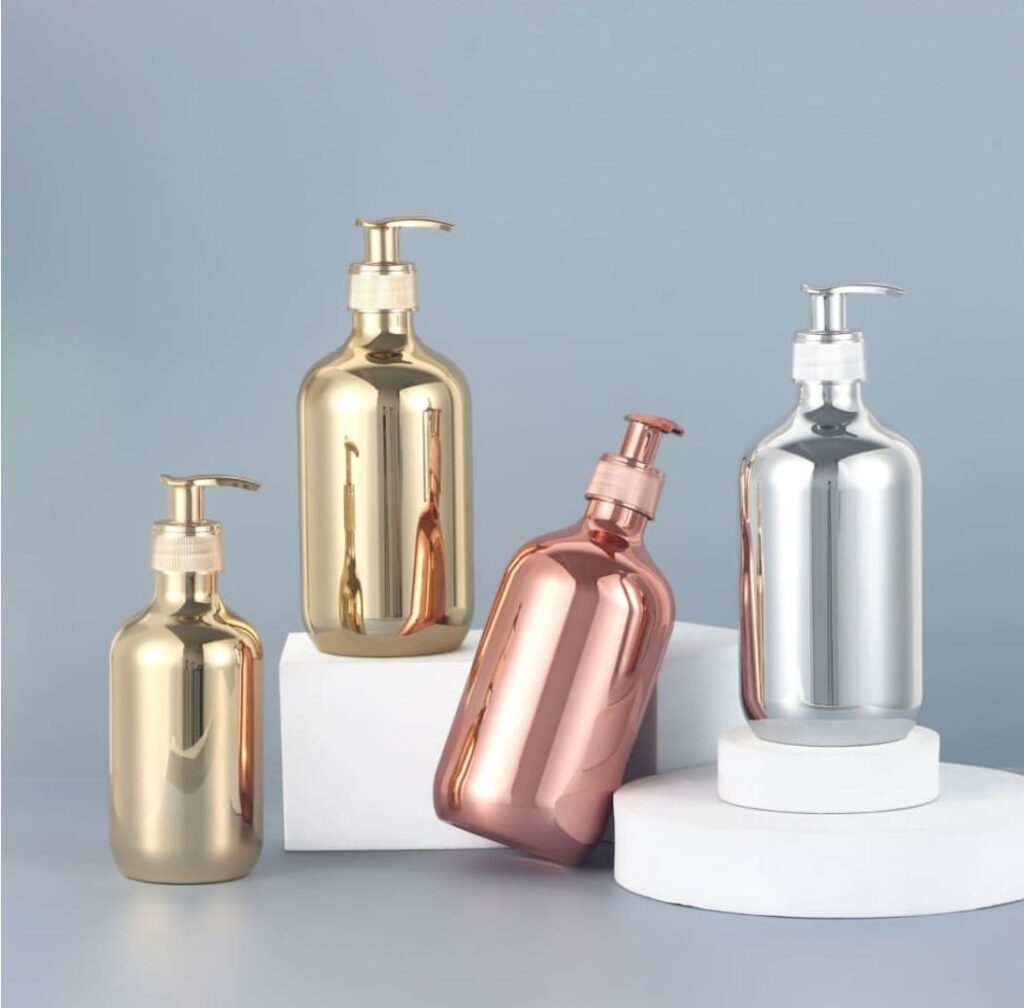
  • Premium Materials & FinishingFrosted glass, biodegradable biomaterials, metal plating, embossing, silk-screen printing, hot stamping and other special finishes significantly enhance the texture and cost. Customized caps, pumps (e.g., airless pumps, sterile pumps) are also more expensive than standard components.

  • Custom Mold vs. Stock Mold:

    • Stock Mold: Using the factory’s existing molds incurs zero or very low mold fees, enabling a quick start and the lowest cost, but lacks uniqueness.

    • Custom Mold: Creating an exclusive mold for your brand. This requires paying a high mold fee (ranging from tens to hundreds of thousands of USD), but allows for unique packaging shapes that build strong brand recognition. The mold fee is usually amortized across the order quantity.

2. Packaging Structure and Secondary Processing

Complex packaging structures (like multi-layer gift boxes, inserts, magnetic closures) require higher manual assembly costs. Additional items like instruction leaflets, hangtags, seal stickers, or bows also add to the expense.

Advice for Brands: For startup brands, “premium execution of stock molds” is a cost-effective strategy—select high-quality stock bottle shapes and enhance their feel through unique label design, color, and finishing (like hot-stamped labels). Invest in custom molds later to create iconic packaging once the brand is established.

Factor 4: Service Scope & Compliance Requirements – The Invisible "Soft Costs"

The price difference between OEM (Original Equipment Manufacturing) and ODM (Original Design Manufacturing) essentially lies in the scope of services. Additionally, increasingly stringent global regulations constitute necessary compliance costs.

1. Differences Between OEM and ODM Service Models

  • Pure OEM Model: The brand provides a finalized formula, packaging design, and all raw materials. The factory is only responsible for production and filling according to the set standards. This model has relatively transparent costs, primarily the processing fee.

  • ODM Model (Full-Service): The brand proposes a concept and requirements, and the manufacturer provides end-to-end services from market research, formula development, packaging design & sampling, stability testing, registration/filing, to mass production. ODM quotes include R&D personnel time costs, trial-and-error costs, sampling costs, and the value of intellectual property. Therefore, service fees are higher, but they save the brand significant time and trial-and-error costs.

2. Regulations and Registration/Filing Costs

  • Domestic General Cosmetic Filing: Since the new regulations in 2021, filing requires complete data on formula, process, safety assessment reports, etc. Factories need in-house safety assessors or third-party partners, generating fees for this professional service.

  • Special-Use Cosmetic Registration (e.g., sunscreen, whitening, anti-blemish): The registration process is complex, taking up to 1-2 years, requiring extensive test data and review fees, resulting in extremely high costs.

  • Export Certifications: If products need to be exported to the EU (CPNP notification), USA (FDA registration), ASEAN, or other regions, the factory must ensure its system complies with local regulations (e.g., GMPC, ISO22716) and assist with documentation, all adding to the cost.

Factor 5: Manufacturer's Comprehensive Strength & Selection – The Ultimate Factor Determining Efficiency and Risk

The factory’s own capabilities are the cornerstone determining price, quality, and smoothness of cooperation.

1. Factory Hardware and Certifications

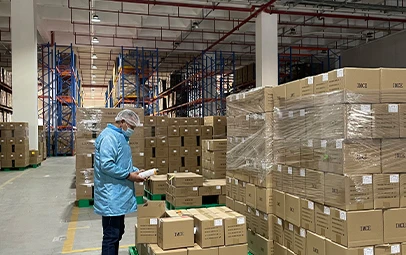
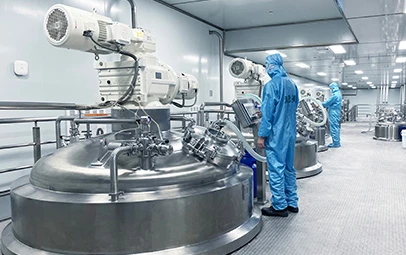
  • Production Environment & Equipment: 100,000-class clean rooms compliant with ISO22716/GMPC standards, fully automated filling and emulsification lines, advanced quality testing labs (with instruments like HPLC, GC-MS). These hardware investments ensure stable and consistent product quality, but their maintenance and depreciation costs are reflected in the quote. Small workshop-style factories may offer lower prices but carry extremely high quality control risks.

  • R&D Capability: Factories with experienced formula engineering teams, deep collaboration with upstream raw material suppliers, and the ability to provide forward-looking trend insights and formula libraries offer higher-value ODM services.

2. Factory Operational Efficiency and Geographic Location

Well-managed, efficient factories can reduce waste and delays in production, thereby controlling costs. Factories located in cosmetic industry clusters like the Pearl River Delta or Yangtze River Delta have advantages in comprehensive costs due to well-developed surrounding supply chains (packaging, raw materials) and logistics convenience.

Advice for BrandsNever choose a factory based on unit price alone. Conduct on-site factory audits to inspect workshop environments, equipment status, laboratories, and filing sample rooms. Review their past cooperation cases and compliance credentials. A partner with a slightly higher quote but standardized processes, transparent communication, and responsive service can save you enormous hidden costs in project timelines, product quality, and risk control.

Frequently Asked Questions (FAQ)

Q1: Why is the unit price for small-batch customization so high? Can it be lowered?

A: Small-batch production cannot amortize high fixed costs like line start-up, sampling, and small-quantity raw material purchases. To reduce costs, consider using the factory’s existing stock molds, selecting mature formulas from their library, or negotiating more flexible batch production plans.

Q2: Is the “Mold Fee” in the quote a one-time charge?

A: Typically, yes. The mold fee is a one-time development charge separate from the product unit price. Ownership of the mold generally transfers to the brand upon full payment. Subsequent reorders do not incur this fee again.

Q3: How to judge if a factory’s quote is reasonable and transparent?

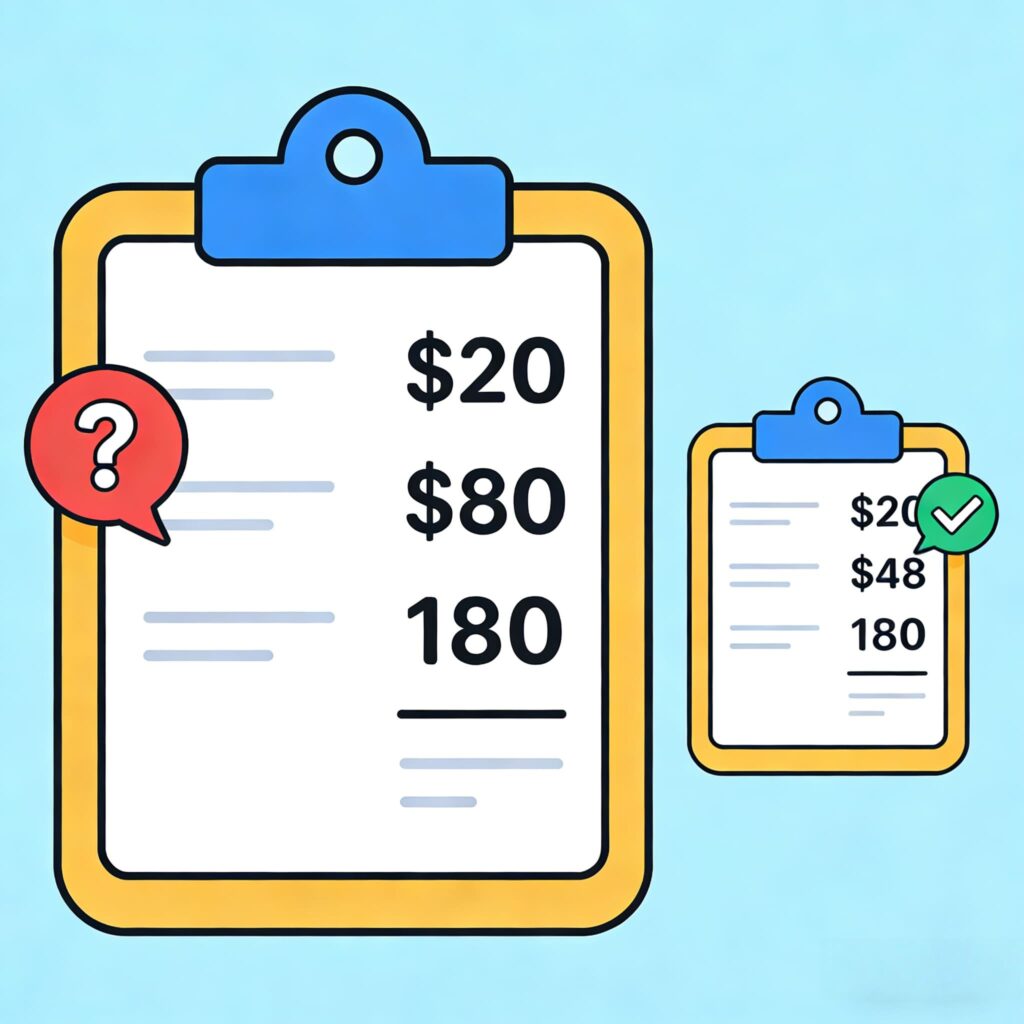
A: Request a detailed breakdown quote, listing items like raw material cost, packaging cost, processing fee (including labor, energy), testing/filing fees, and service fees separately. Reputable large factories are usually willing to provide transparent quotes. Be wary of suppliers who only give a lump-sum total and are unwilling to explain the composition.

Q4: Besides these five factors, what other details might affect the final price?

A: Other factors include payment terms (length of credit affecting the factory’s financial costs), logistics fees (whether quoted prices include tax and shipping), secondary processing fees like label application, and rush order surcharges. Clarify all details before signing a contract.

Q5: How to effectively control costs when negotiating with a factory?

A: 1) Do your homework: Be clear about your needs, positioning, and budget range. 2) Stay flexible: Have backup options for formulas and packaging. 3) Think long-term: Express intent for long-term cooperation to negotiate better tiered pricing or future discounts. 4) Prioritize value: Work with the factory to explore where to invest (e.g., key active ingredients) and where to optimize costs in non-core areas.

QiaoMei: Your Best OEM/ODM Cosmetic Manufacturing Partner

QiaoMei, as an integrated manufacturer with over 25 years of experience encompassing both R&D and production, leverages its core strength of efficient, end-to-end integration and deep process control to deliver optimal value for clients across all five key cost dimensions.

Regarding Order Volume, QiaoMei fully understands the needs of brand startups and the pressure a 10,000-unit MOQ can pose. Utilizing the powerful production scheduling capability of our own factory, we offer two flexible solutions: You can order two SKUs with identical bottles but different labels, meaning 5,000 units per product. Alternatively, you can order 10,000 units but choose to receive 5,000 units first, with the remaining 5,000 delivered within two months.

In the dimension of Formula & Raw Materials, QiaoMei’s independent R&D team is your think tank for managing core costs. We not only have a library of 3,000+ mature formulas for efficient adaptation but can also find the best balance between imported actives, certified natural ingredients, and cost according to your budget and efficacy goals. We collaborate with internationally renowned raw material and fragrance companies like BASF and Symrise. All imported raw materials, sourced from regions including the USA, Australia, Spain, and Europe, are subject to stringent safety requirements. Our robust CM database system stores comprehensive supplier information nationwide, enabling rapid response to inquiries for various packaging materials.

For consulting services, our sample quotation speed surpasses industry standards, typically replied within 3 days. Lead times for standard plastic bottles, tubes, and glass bottles are 25 days, and 35 days for items requiring special finishing. We also offer various custom packaging material design solutions, including labels, silk-screen printing, and hot stamping.

Concerning Packaging & Design, we provide complete solutions from stock mold selection and premium modification to custom mold creation. Our in-house supply chain ensures cost control while enabling rapid prototyping and production using eco-friendly materials, complex finishes, and innovative structures, transforming your packaging investment into tangible brand value.

Regarding Service & Compliance, we offer a true one-stop, seamless ODM/OEM service. Everything from market insight and formula development to safety assessment, registration/filing, and mass production is handled in-house by our integrated teams. This not only significantly shortens your time-to-market but also avoids the extra costs and risks associated with multi-party coordination through our consolidated service.

Ultimately, our Comprehensive Manufacturing Strength is the foundation: Over 80,000 square meters of GMPC-certified owned facilities, 16 automated production lines, an ERP quality control system covering raw materials to finished goods, and extensive experience serving 300+ brands globally. This forms our promise of high quality, high efficiency, and cost controllability. Choosing QiaoMei means selecting a strategic partner capable of precisely transforming your ideas and budget into successful market-ready products.

Conclusion: From Cost to Value, Building a Win-Win Partnership

Choosing a manufacturing partner for your cosmetic brand is far from a simple price-based purchase; it is a strategic investment. The five factors influencing price—order volume, formula & materials, packaging & design, service scope, and factory strength—collectively constitute the final value and market competitiveness of your product.

As a professional and transparent ODM/OEM manufacturer, we firmly believe the most successful collaborations are built on mutual understanding and value alignment. We don’t just provide production; we are committed to being your solution partner on the brand growth journey. We encourage every potential client to discuss their brand vision, target audience, and market challenges with us in depth before requesting a quote.

We hope this detailed cost analysis illuminates your path forward. If you are planning a new product or have ideas for optimizing the cost structure of an existing one, please feel free to contact us anytime for a tailored, clear, and transparent proposal and quotation. Let’s work together to transform your creativity into standout successful products in the marketplace.

I’m QiaoMei, with over 25+ years of expertise in OEM, ODM and private label cosmetics, focusing on crafting high-quality HairCare Skincare BodyCare and makeup products with unparalleled insights into formulation, quality and market trends

Table of Contents

The 6 Best Eye Cream Manufacturers of 2025

OEM/Private Label Bakuchiol Cosmetic Guide

Professional Facial Cleanser Manufacturer in China | OEM & ODM Solutions

1 13 14 15 16 17 19
Shopping Cart

Get free samples

Fill in the following information and we will contact you

Contact Information