Uncover the Four Major Misconceptions of Custom Shampoo: Why Are Most Factories' Formulas Just Superficial?
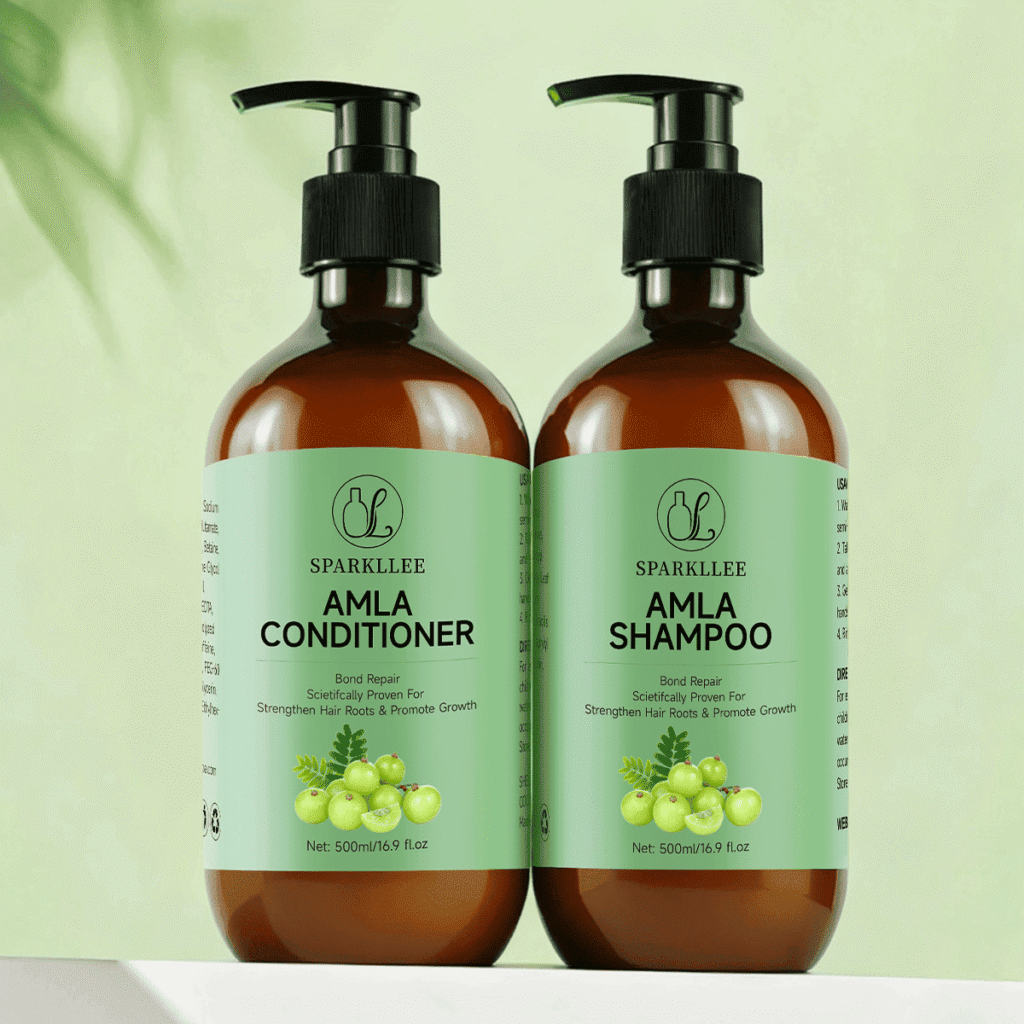
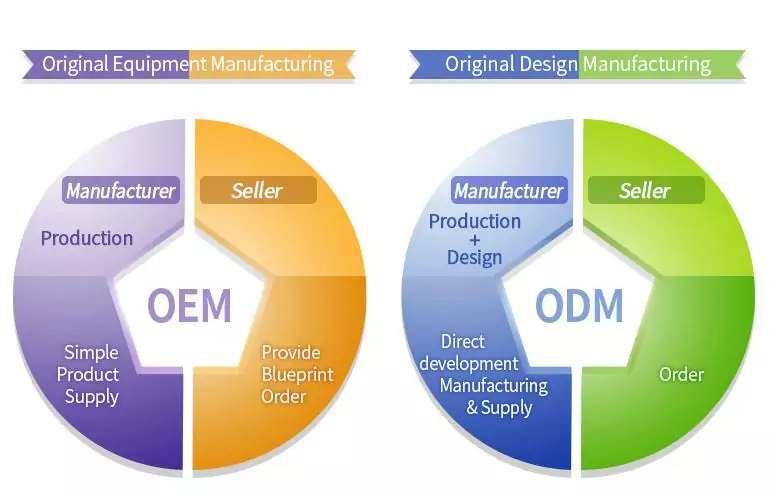
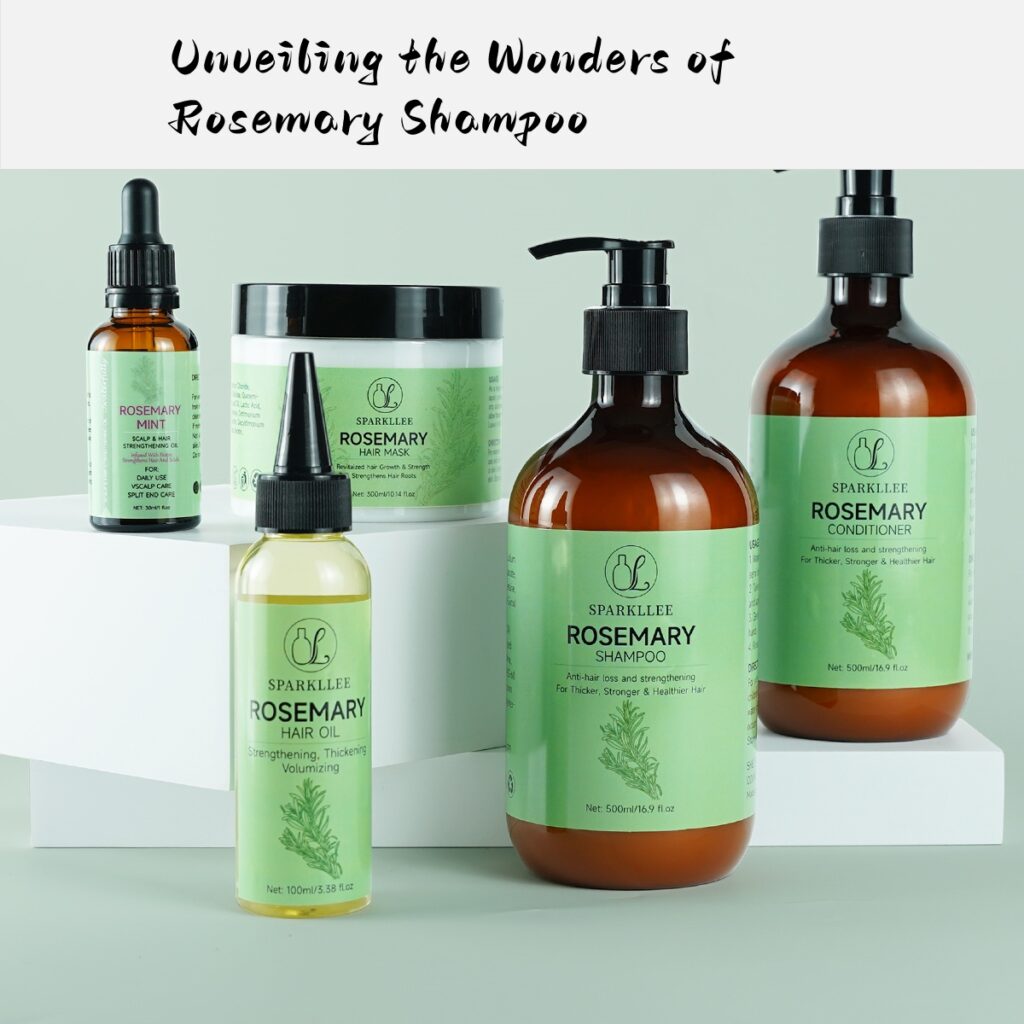
When some OEM/ODM shampoo manufacturers discuss “custom shampoo,” what often comes to mind is a unique fragrance, eye-catching packaging, or an ingredient list that appears comprehensive. This is indeed the “standard service” many OEM/ODM shampoo manufacturers can provide—selecting a base from a preset formula library, changing the fragrance and colorants, adjusting the packaging, and a “new product” is proclaimed to be born.
However, from Qiaomei’s professional R&D perspective spanning over 25 years, this is merely “surface-level customization.” Products that remain at this level often expose the emptiness of their core in market feedback: the advertised “volumizing” effect lasts only an hour, the promised “repairing” experience leaves hair even drier, and the effects may even cancel out when used with the matching conditioner. The root cause of these problems lies in the fact that the technical barriers to truly custom shampoo are hidden within those core dimensions that cannot be directly written on the label but determine the final outcome.
Misconception One: Overlooking the Foundational Role of the "Surfactant Compounding System"
Most OEM shampoo manufacturers will ask: “Do you need a sulfate-based or an amino acid-based system?” But this is just a simple binary choice. True customization begins with a complex system: how to achieve a perfect balance between cleansing power, mildness, foam texture, and cost through the precise compounding of multiple surfactants?
The Trap of a Single System: A pure amino acid system is gentle but may lack sufficient cleansing power, produce sparse foam, and be costly. While traditional sulfate (SLS/SLES) systems offer strong cleansing at low cost, long-term use may damage the scalp barrier. The “customization” offered by many factories is merely choosing between these two options.
Qiaomei’s Solution: To address these issues, Qiaomei has constructed a dynamic “Cleansing Power Pyramid” compounding model. For example, to meet the contradictory needs of an “oily scalp but dry hair shafts,” we might employ a triple-compound of “Sodium Methyl Cocoyl Taurate + Cocamidopropyl Betaine + Decyl Glucoside.” The first layer provides core cleansing power, the second boosts foam and reduces irritation, and the third enhances mildness and moisturizing feel. The proportion of each layer is validated through scalp irritation tests and foam stability verification, ensuring the removal of oil and grease without excessively stripping the necessary lipids from the scalp and hair. This is fundamentally different from OEM shampoo & private label shampoo producers who only offer basic options.
Misconception Two: Underestimating the Strategic Significance of "Precise pH Value Control"
The ideal pH environment for the scalp is approximately 5.5 (weakly acidic). Shampoos that deviate from this environment may, with long-term use, disrupt the scalp microbiome, leading to dryness, itching, or excessive oiliness. The formula pH values of many OEM/ODM shampoo manufacturers fluctuate between 6.5 and 8.0, merely meeting the basic requirements of “can lather, can cleanse.”
Qiaomei regards pH control as the strategic core of formula design. We not only ensure the final product’s pH remains stable within the skin-friendly range of 5.0-5.8 but, more crucially, we guarantee that the pH value does not fluctuate violently during use (even when diluted by water of varying hardness) through a buffer system. This requires the addition of precise buffer pairs like citric acid-citrate or other professional buffering ingredients—chemical details often overlooked by factories pursuing a “clean ingredient list.”
Misconception Three: Ignoring the Stability Challenges of "Active Ingredient Addition Processes"
“Adding niacinamide, panthenol, or prebiotics” is just a line on the ingredient list, but on the production line, it’s a technical challenge. Many active ingredients are extremely sensitive to temperature, pH, or oxidation. Improper addition processes can cause them to deactivate before the product even hits the shelf.
Qiaomei’s countermeasure is to establish an “Active Ingredient Addition Process Matrix”:
Low-Temperature Post-Addition Technology: For heat-sensitive ingredients (e.g., certain probiotic extracts, B vitamins), we add them inline using specialized homogenization equipment at specific low-temperature stages after emulsification is complete.
Microencapsulation for Delivery: Encapsulating easily oxidized or irritating ingredients (e.g., certain essential oils, salicylic acid) ensures their stability during storage and allows for targeted release on the scalp during use.
Compatibility Pre-Dispersion: Ensures oil-soluble active ingredients (e.g., certain plant oils) can be uniformly and stably dispersed in the water-based formula, preventing separation or “wall sticking.”
Misconception Four: Separating the "System Compatibility of Shampoo and Conditioner"
A harsh reality is that over 70% of shampoos and conditioners on the market are “formulated independently.” They may use cationic conditioners with clashing charges, causing active ingredients to compete and counteract each other during deposition on the hair, even producing cloudy precipitates, turning the “1+1>2” hair care experience into an illusion.
Qiaomei adheres to a “Shampoo-Conditioner Synergistic System Development.” Our R&D, from the shampoo design stage, already presupposes a matching conditioner model:
Charge Harmony: Precisely calculating the charge balance between the anionic residues in the shampoo and the cationic conditioners in the conditioner achieves orderly, layered deposition of conditioners on the hair shaft, rather than haphazard accumulation.
Efficacy Relay: The shampoo is responsible for “cleansing and opening the hair cuticles,” while the conditioner is responsible for “replenishing nutrients and closing the hair cuticles.” The active ingredients in both (e.g., small molecule hydrolyzed proteins in shampoo for penetration and repair, large molecule film-formers in conditioner to lock in shine) are designed synergistically to achieve seamless efficacy integration.
Qiaomei's Answer: From "Ingredient Listing" to "Systematic Solution"
The only path to transcend the above misconceptions is to possess a deeper R&D framework. Based on massive amounts of scalp and hair quality research data, Qiaomei has constructed two proprietary R&D models:
Scalp Microbiome Balance Model: We don’t just focus on “anti-dandruff” or “oil control.” Instead, we view the scalp as an ecosystem. Formula design comprehensively considers the degreasing power of cleansers, pH value, and the addition of prebiotics or antifungal ingredients, aiming to maintain or restore the healthy balance of the scalp flora, solving problems at their root.
Layered Hair Shaft Damage Repair Model: We deconstruct hair shaft damage (e.g., from perming, coloring, sun exposure) into different issues at the cuticle, cortex, and medulla layers. During customization, we match different active ingredients and penetration technologies to different levels of damage: for example, using cationic polymers to quickly repair the cuticle layer, and small molecule amino acids to penetrate and fill voids in the cortex layer. This is no longer about “piling on ingredients” but about precise “surgical-style” repair.
Conclusion:
Truly custom shampoo is a precision engineering project in the microscopic chemical world. What it tests is not just what ingredients a manufacturer has, but whether it possesses the systematic capability to transform scientific insights into stable, effective, and mass-producible products.
The next time you discuss “customization” with an OEM/ODM shampoo manufacturer, consider asking a few deeper questions: What is the target pH for my formula, and how is it guaranteed? What is the addition process for the active ingredients? How do the shampoo and conditioner achieve charge synergy?
At Qiaomei, the answers to these questions have long been integrated into our 25-year R&D system and every intelligent production line. What we provide is not a checklist to tick off, but a set of science-based, experience-focused, verifiable solutions. This is where custom shampoo begins to transcend “surface-level” work and touch its core value, and it is the fundamental difference between us and OEM shampoo & private label shampoo producers who merely provide production services.
I’m QiaoMei, with over 25+ years of expertise in OEM, ODM and private label cosmetics, focusing on crafting high-quality HairCare Skincare BodyCare and makeup products with unparalleled insights into formulation, quality and market trends