The Complete Global Winter Skincare Guide: A Protocol Across Latitudes, Skin Tones, and Personal Needs
As the north wind sweeps up the first fallen leaves, the battlefield for skincare quietly shifts. The winter challenge for skin cannot be summed up simply as “dryness.” A traveler chasing the aurora in Tromsø, Norway, an office worker battling air-conditioned dryness in Shanghai, a business professional navigating the 30°C temperature swings between indoors and out in Dubai, and a resident in Australia’s summer facing frequent dry air-conditioned environments—all face completely different “winter” trials.
This guide will take you across geographical boundaries, skin tone differences, and functional needs to build a truly personalized, scientific, and actionable winter skincare system. For Body Lotion Manufacturers committed to providing solutions for the global market, understanding these nuances is the starting point for developing products that meet diverse demands.
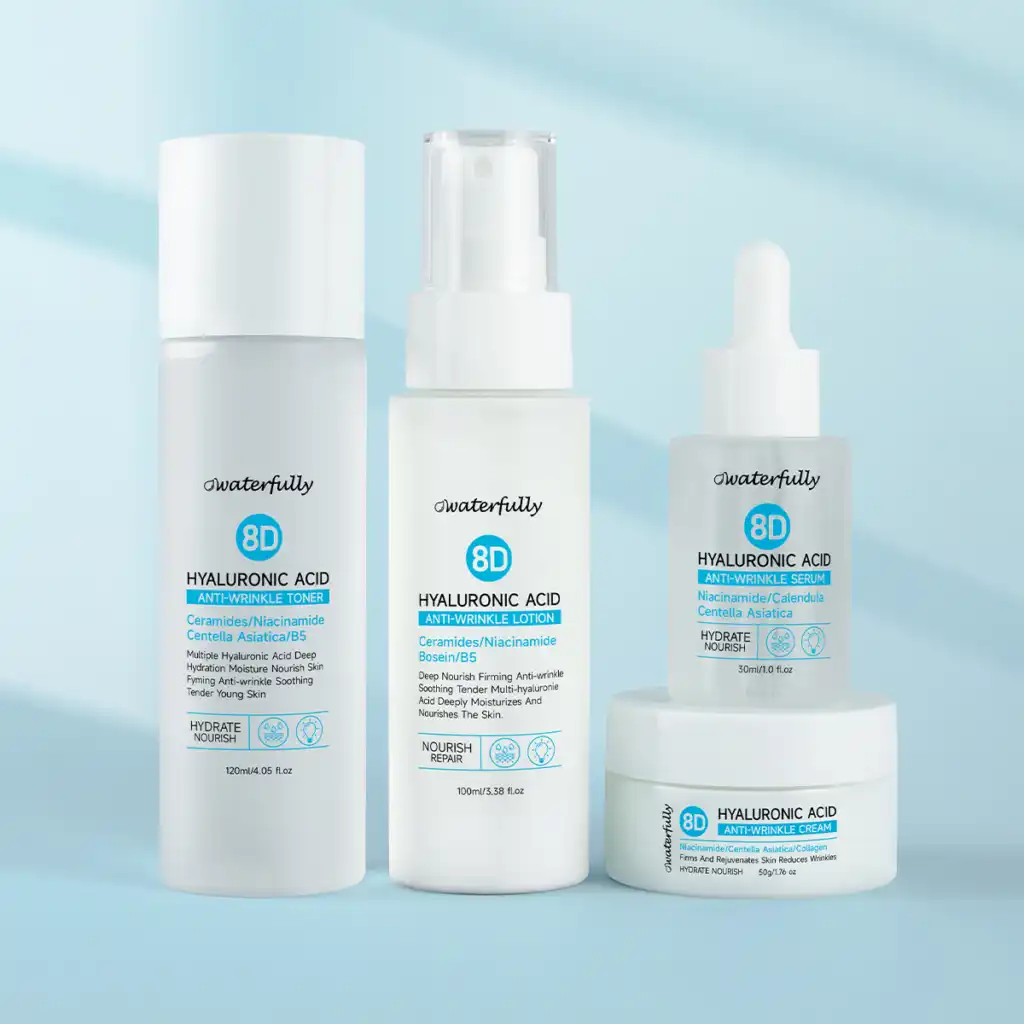
Cleansing
Toning
Treating / Serum
Moisturizing
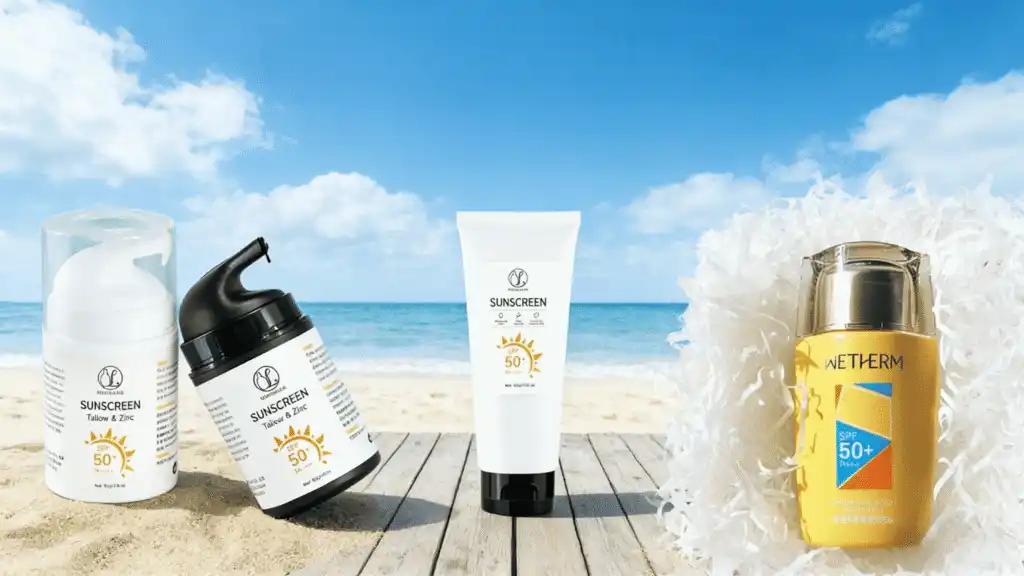
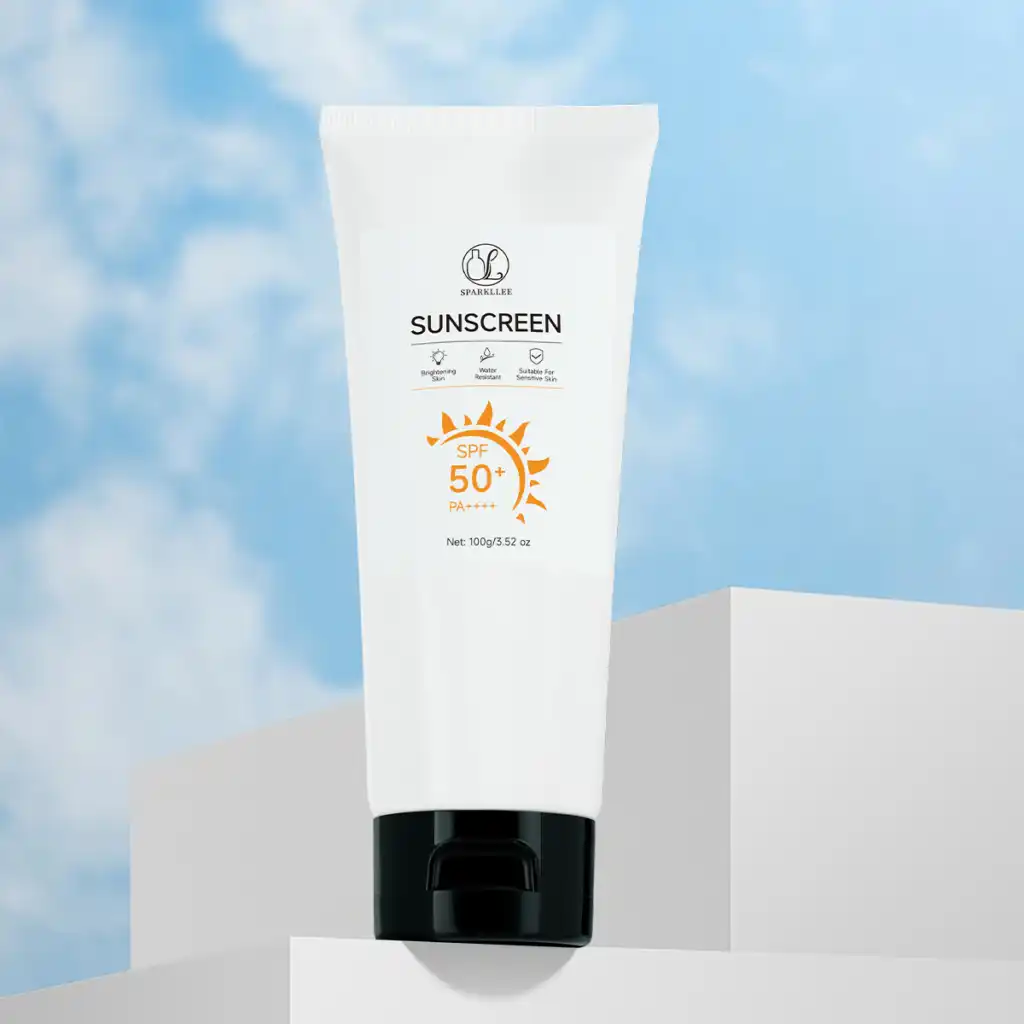
Sun Protection
Chapter 1: Climate & Latitude Define Your Baseline – Analyzing Four Global Winter Types
Type 1: Dry & Cold Winter (Nordic countries, Canada, Northern China, US Midwest)
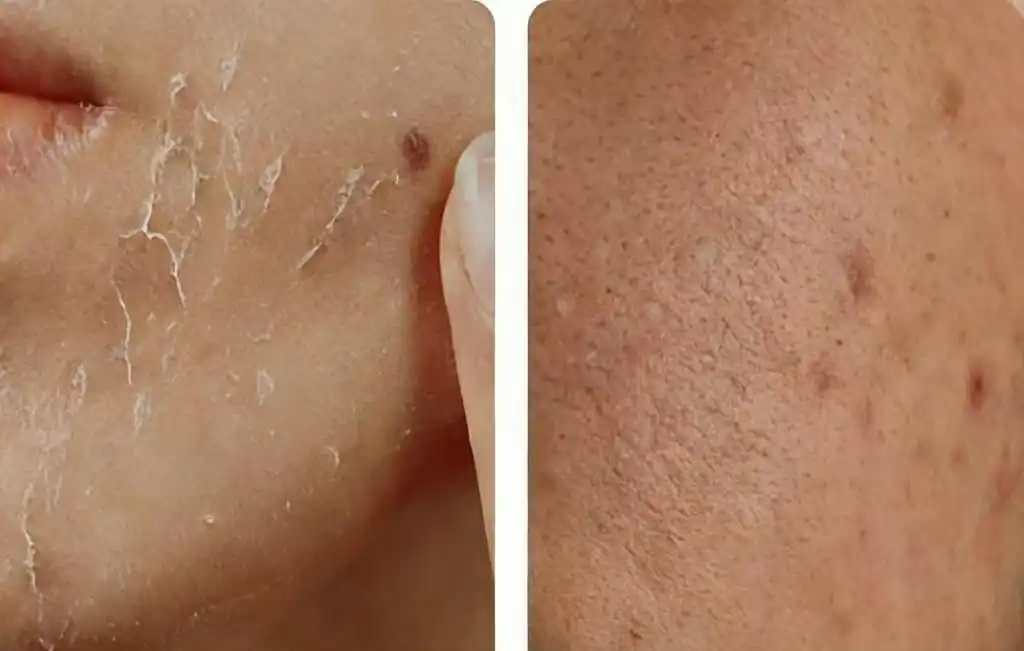
Core Challenges: Low temperatures (often below -10°C) + Extremely low humidity (exacerbated by indoor heating) + Harsh winds. Skin Risks: Stratum corneum lipids solidify, leading to severe barrier damage. Moisture evaporation rates are 3-5 times higher than at room temperature, causing redness, cracking, itching, and even “winter eczema.” Golden Rule: Mimic the sebum film, build a fortified barrier.
AM Strategy: Skip over-cleansing. Use a non-foaming, milky cleanser. After serum, employ the “sandwich method”: first, a layer of high-penetration hyaluronic acid serum; then, a barrier-repair lotion with ceramides and cholesterol; finally, seal it all with a high-occlusion cream (containing squalane, petrolatum, shea butter).
PM Strategy: 2-3 times a week, perform a gentle massage with a natural plant oil (like jojoba or sweet almond oil) as an oil mask to dissolve solidified sebum. Follow with a warm towel press, then continue your routine. You can mix 1-2 drops of facial oil into your night cream.
Key Ingredients: Ceramide NP, cholesterol, mineral oil (refined), bisabolol.
Type 2: Damp & Cold Winter (UK, Western Europe, most of Japan, China's Yangtze River region)
Core Challenges: High humidity air (RH >80%) + Low temperatures (0-10°C) + Significant indoor-outdoor temperature fluctuations. Skin Risks: Cold slows microcirculation, leading to dullness despite “apparent” moisture. Damp, cold environments can encourage the proliferation of certain microbes, making sensitive skin prone to instability. Golden Rule: Boost circulation, strengthen the skin’s foundation, gentle microbiome support.
AM Strategy: Apply a warm towel to the face for 30 seconds to quickly awaken circulation. Use a serum containing niacinamide, curcumin, or caffeine to combat dullness and puffiness. Opt for a lightweight lotion with lecithin and panthenol for hydration that locks in moisture without feeling sticky.
PM Strategy: Introduce a low concentration (<0.5%) of bakuchiol or a new-generation gentle retinoid derivative (like hydroxypinacolone retinoate) for anti-aging while helping balance the skin’s microbiome. Pair with a prebiotic (like alpha-glucan oligosaccharide) serum to reinforce the skin’s ecology.
Type 3: Externally Dry & Internally Parched Winter
Core Challenges: Outdoor dry heat/cold + Intensely dry air from powerful AC/heating indoors (RH <20%) + Extreme temperature fluctuations. Skin Risks: The stratum corneum, stretched repeatedly like a rubber band switching between dry and damp, loses elasticity, leading to deep dehydration and more prominent dynamic lines. Golden Rule: Hydrate from within and without, stability is key.
Round-the-Clock Strategy: Place a high-quality humidifier on your desk and bedside to maintain ambient humidity at 40%-60%. Carry a mineral water facial mist (note: gently pat away excess after spraying to prevent moisture evaporation).
Skincare Strategy: Use products containing hyaluronic acid of various molecular weights for multi-level hydration. Strictly use sunscreen daily (SPF30+, PA+++) to protect against potent UVA rays, which contribute to photoaging and moisture loss even in winter.
Type 4: Off-Season "Winter" (Australia, New Zealand, South Africa, South America – Southern Hemisphere)
Core Challenges: Technically summer, but facing “artificial winter” dryness from AC + Strong outdoor UV radiation. Skin Risks: Skincare routine mismatch. Neglecting moisture leads to a compromised barrier from moving between cold rooms; meanwhile, outdoor UV intensity can be at its annual peak. Golden Rule: Summer essence, winter core.
Core Strategy: Maintain summer’s lightweight textures and strong sun protection but add a barrier-repair step. Switch your evening repair cream to a more lipid-rich version. Before prolonged AC exposure, apply a thin layer of hydrating gel or lotion.
Chapter 2: The Science Behind Skin Tone – Care Tailored to Melanin
Skin tone differences stem from variations in melanocyte activity, quantity, and the size/distribution of melanin granules. This directly impacts how skin reacts to the environment.
Lighter Skin Tones (Fitzpatrick Types I-II)
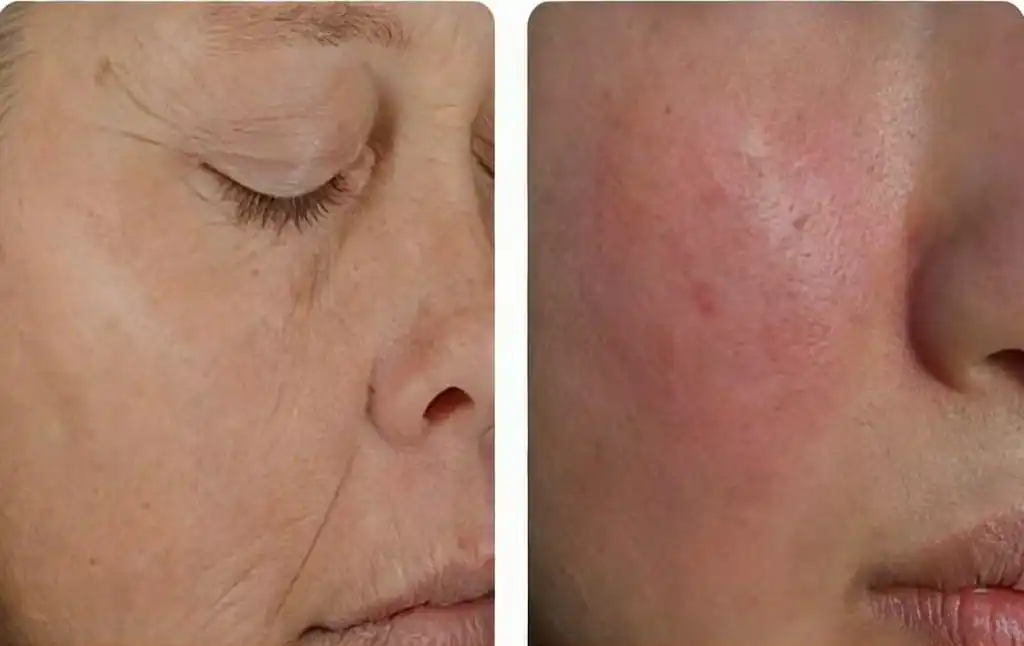
Winter Traits: Most reactive to capillary constriction/dilation (flushing) caused by wind and cold. More prone to visible redness, broken capillaries, and chilblains. Signs of photoaging (like sunspots) may worsen due to UV reflection off snow.
Focus Areas:
Anti-Redness & Soothing: Choose products with dipotassium glycyrrhizate, oat beta-glucan, or purslane extract to strengthen capillary walls and calm skin.
Fortify the Physical Barrier: Requires more occlusive moisturizing than other tones to defend against physical irritants.
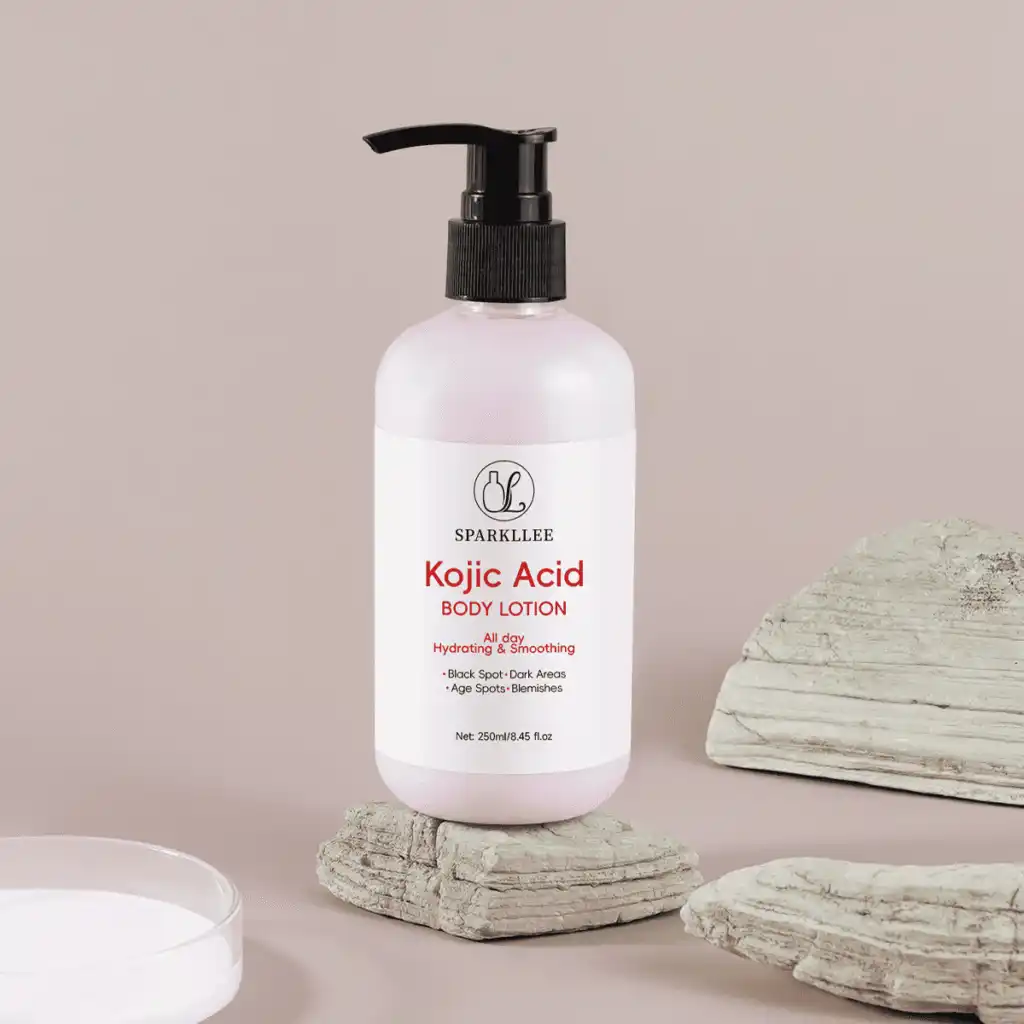
Continued Spot-Fading: Winter is the golden period for using gentle tyrosinase inhibitors like derivatives of phenylethyl resorcinol (e.g., 377), kojic acid, or azelaic acid, with less risk of post-inflammatory hyperpigmentation (PIH) due to weaker UV rays.
WHITENING
NOURISHING SKIN
MOIST: Tender the skin WHITEN: lmmprove skin tone SMOOTH: Improve dryness
Winter Traits: Redness is less visible, but skin is more prone to a “grayish cast” or localized dullness (around mouth, eyes) from dryness. Barrier function is relatively balanced, but the T-zone may still produce oil in dry settings, creating a combination dry/oily feel.
Focus Areas:
Brightening & Revitalizing: Use serums with vitamin C derivatives, niacinamide, or licorice root extract to combat grayness and boost skin clarity.
Zone Care: Apply richer creams on cheeks, lightweight lotions or just serum on the T-zone.
Prevent PIH: After any blemish or injury, immediately use products with tranexamic acid or arbutin to prevent dark spots from lingering due to slower winter cell turnover.
Deeper Skin Tones (Fitzpatrick Types V-VI)
Winter Traits: Natural Moisturizing Factor content is relatively high, but skin remains sensitive to dryness, often manifesting as a loss of radiance, a dull matte finish, or even fine white flaking (“ashiness”). The biggest risk is Post-Inflammatory Hyperpigmentation (PIH), where even minor irritation can lead to persistent dark marks.
Focus Areas:
“Glowing” Hydration: Choose products with hyaluronic acid paired with light oils (like argan oil) and natural emollients (like macadamia oil) to restore luminosity, not grease.
Ultra-Gentleness: Avoid all physical friction (rough towels, granular scrubs). Opt for super-gentle chemical exfoliants like gluconolactone (PHA), no more than once weekly.
PIH Interception: Make azelaic acid (10%-15%) a cornerstone ingredient. It combats inflammation, bacteria, and inhibits abnormal melanogenesis—perfectly addressing winter concerns for deeper skin.
Chapter 3: Needs-Based Navigation – From Basic Hydration to Advanced Solutions
Tier 1: Foundational Hydration & Stability (The Starting Point for All)
Goal: Maintain stratum corneum water content >20% with an intact barrier.
Key Steps: Pause all potentially irritating actives (acids, high-concentration VC, retinols). Simplify routine to products designed for sensitive skin. In severe cases, adopt a minimalist “water rinse → single reparative cream” approach.
Tier 3: Anti-Aging, Firming & Revitalization (Mature Skin or Early Prevention)
Winter Advantage: Weaker UV rays create a golden window for using potent actives. Visible dryness makes fine lines more apparent, allowing anti-aging results to be seen clearly.
AM Strategy: Defensive anti-aging. L-ascorbic acid (or stable derivatives like ascorbyl tetraisopalmitate) + Vitamin E + Ferulic acid for powerful antioxidant protection against free radicals. Always top with sunscreen.
PM Strategy: Offensive anti-aging. Center your routine around retinol. Start with a low concentration (under 0.1%) to build tolerance. Retinol accelerates cell turnover and stimulates collagen but must be buffered in winter with rich moisturizers to counteract dryness. Alternatives include pro-xylane or peptides.
Synergistic Pairing: Apply a niacinamide serum before retinol to boost the barrier and mitigate potential irritation. Follow retinol with a peptide-rich cream for a multi-pathway approach.
Winter Advantage: Lower UV levels make it the prime season for fading spots with less risk of rebound pigmentation.
“Cocktail” Therapy: Don’t rely on a single ingredient; use combinations.
“C in the AM, B in the PM”: Vitamin C in the morning (inhibits melanin production, antioxidants), Niacinamide at night (blocks melanin transfer, repairs barrier).
Advanced Pairing: On top of the above, 2-3 nights a week, apply azelaic acid or a phenylethyl resorcinol derivative (like 377) as a targeted spot treatment after your niacinamide serum.
Non-Negotiable Prerequisite: Strict daily sunscreen use, even indoors or on cloudy days.
Chapter 4: Beyond Skincare – A Holistic View of Winter Skin Health
Dietary Hydration: Increase omega-3 fatty acids (fatty fish, flaxseed oil) to fight inflammation and strengthen cell membranes. Eat foods rich in vitamin C (bell peppers, kiwi) and vitamin E (nuts, avocado). Drink warm water and limit excessive coffee and alcohol.
Environmental Management: Use a humidifier. Limit showers to 37-40°C for under 10 minutes, and apply body lotion within 3 minutes of drying off. This is where a nourishing body lotion, produced by professional Body Lotion Manufacturers specifically for winter, becomes vital to prevent dryness and itching, maintaining the body’s skin barrier.
Fabric Care: Choose silk or high-thread-count cotton pillowcases to reduce sleep-time friction. Avoid direct contact of wool or scratchy scarves with facial skin.
Mindful De-stressing: Stress increases cortisol, which can Damage the skin barrier. Manage winter mood through meditation, moderate exercise, and sufficient sleep.
Conclusion: Your Skin, Your Winter
Winter skincare is no longer about a one-size-fits-all thick cream. It is a precise calculation based on geographical coordinates, genetic makeup, and personal aspirations. Under the Norwegian aurora, your cream is a shield against physical cold; in Dubai’s temperature swings, your serum is the intelligent hub maintaining hydration balance; in Melbourne’s summer air, your lotion is the mediator between natural and artificial environments.
Understand your climate, respect your skin tone, and define your goals. This winter, let skincare transcend routine and become a scientific ritual of wisdom and self-care. In this era of personalized skincare, both brands and consumers rely on the robust R&D and manufacturing support from global Body Lotion Manufacturers, Facial Moisturizer Suppliers, and comprehensive OEM ODM Cosmetic & Skincare Manufacturers. They are the ones transforming advanced skincare science into accessible daily wellness. When spring arrives, you’ll find that what has been tenderly guarded is not just your skin’s radiance, but also a sense of composure and strength carried through the cold season.
I’m QiaoMei, with over 25+ years of expertise in OEM, ODM and private label cosmetics, focusing on crafting high-quality HairCare Skincare BodyCare and makeup products with unparalleled insights into formulation, quality and market trends